Key Takeaways
- White shampoo bottle packaging remains a dominant choice due to its clean, premium, and versatile visual identity
- Advanced materials such as HDPE and PET ensure safety, durability, and chemical stability
- Ergonomic and anti-slip structural design significantly improves user experience
- Customization and high-definition printing enhance brand recognition and shelf appeal
- Sustainability and recyclability are becoming decisive factors in purchasing decisions
- Functional dispensing systems directly influence product usability and consumer satisfaction
A Compelling Introduction: Why the White Shampoo Bottle Still Wins in Modern Packaging

Walk into any retail space or browse an online marketplace, and you will quickly notice a pattern: despite the explosion of colors and creative packaging concepts, the white shampoo bottle continues to hold a strong position. This is not accidental. It reflects a deeper shift in consumer psychology and product strategy.
You are no longer just choosing packaging—you are shaping perception. A white shampoo bottle communicates cleanliness, simplicity, and trust before the customer even reads the label. According to packaging research published by Smithers, over 70% of consumers associate lighter-colored packaging with purity and safety in personal care products.
At the same time, the technical side of packaging has evolved. Materials have improved, structures have become more user-friendly, and sustainability expectations have increased. This means that what looks simple on the outside is actually the result of careful engineering and market understanding.
This article takes you beyond surface-level trends. You will explore how material science, user behavior, and brand strategy converge in the design of the modern white shampoo bottle—and how you can apply these insights to improve your own packaging decisions.
Introduction to White Shampoo Bottle Packaging Trends
The white shampoo bottle has evolved from a basic container into a highly strategic packaging solution. It is now used not only for shampoos but also for a wide range of liquid products including body wash, detergents, and cleaning solutions.
According to a global packaging market analysis by McKinsey, rigid plastic packaging continues to grow steadily due to its balance between cost, durability, and design flexibility. Within this category, squeeze and bottle formats remain the most widely used due to their practicality.
You are seeing a convergence of three key forces:
- Consumer demand for convenience
- Regulatory pressure for sustainability
- Brand competition for visual differentiation
The white shampoo bottle sits at the intersection of all three.
Trend 1: Minimalist Design in White Shampoo Bottle Packaging
Clean Visual Identity
Minimalism has moved beyond being a design trend—it is now a communication strategy. A white shampoo bottle offers a neutral background that naturally aligns with minimal design principles. This allows your product to convey clarity and authenticity without excessive visual noise.
Research from Nielsen indicates that products with clean and simple packaging designs are perceived as more trustworthy by up to 60% of consumers in personal care categories.
Emotional Impact of Simplicity
Minimalist packaging creates a sense of calm and order. When users interact with a white shampoo bottle, they subconsciously associate it with purity and reliability. This emotional connection can influence purchasing decisions more than complex graphic designs.
Shelf Differentiation Through Restraint
Ironically, in a crowded market, simplicity can stand out more than complexity. A well-designed white shampoo bottle with thoughtful typography and spacing often attracts more attention than visually overloaded packaging.
Trend 2: Advanced Material Innovation for White Shampoo Bottle
HDPE and PET Material Advantages
The majority of white shampoo bottles are produced using HDPE or PET materials. These materials are selected not only for cost efficiency but also for their performance characteristics.
HDPE offers:
- High chemical resistance
- Strong impact durability
- Excellent flexibility for squeezing
PET provides:
- High clarity (when needed)
- Strong structural integrity
- Good barrier properties
According to data from PlasticsEurope, HDPE accounts for a significant share of rigid packaging due to its recyclability and strength-to-weight ratio.
Material Safety and Compliance
Safety is non-negotiable in packaging. Both HDPE and PET are widely recognized as safe for personal care applications. They are non-toxic, odorless, and resistant to chemical reactions, ensuring that the contents remain stable over time.
Material Selection Strategy
Choosing between HDPE and PET depends on your product:
- Use HDPE for flexible squeeze applications
- Use PET for rigid, premium-feel packaging
Trend 3: Ergonomic and Functional Bottle Design
Human-Centered Design
Modern packaging design focuses heavily on usability. A white shampoo bottle is no longer just a container; it is a tool that users interact with daily.
Ergonomic design ensures:
- Comfortable grip
- Easy handling with wet hands
- Efficient dispensing
Anti-Slip Surface Engineering
Surface textures are now carefully designed to enhance grip. Anti-slip patterns reduce the risk of dropping the bottle, especially in wet environments like bathrooms.
Structural Integrity and Balance
A well-designed bottle maintains balance even when partially filled. This prevents tipping and improves storage stability.
Leakage Prevention Technology
Advanced sealing systems ensure that caps and closures fit tightly. According to packaging engineering studies, improved sealing can reduce leakage incidents during transportation by over 40%.
Trend 4: Versatile Cap and Dispensing Options
Functional Dispensing Systems
The dispensing mechanism plays a crucial role in user experience. A white shampoo bottle can be paired with various closure types:
- Flip-top caps for convenience
- Pump dispensers for controlled dosing
- Squeeze nozzles for precision
- Disc caps for quick access
Matching Design to Product Behavior
Different products require different flow control. For example:
- Thick shampoos benefit from wider openings
- Liquid soaps require controlled flow systems
User Experience Optimization
A well-matched dispensing system reduces waste and improves satisfaction. Studies show that controlled dispensing can reduce product overuse by up to 25%.
Trend 5: Customization and High-Quality Printing
Visual Branding Opportunities
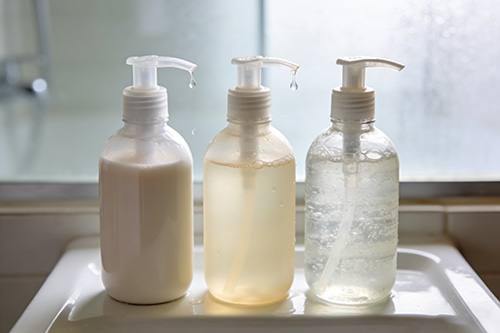
Customization transforms a simple white shampoo bottle into a powerful branding tool. High-definition printing allows for precise color reproduction and sharp design elements.
Packaging as a Marketing Asset
Packaging is often the first point of contact between your product and the consumer. A well-designed bottle can communicate quality, reliability, and brand identity instantly.
OEM and ODM Capabilities
Customization options include:
- Bottle shape and size
- Wall thickness and weight
- Surface finish (matte, glossy)
- Labeling and printing
This flexibility allows you to create packaging that aligns perfectly with your brand strategy.
Trend 6: Sustainability and Recyclable Packaging
Environmental Responsibility
Sustainability is now a core consideration in packaging design. According to a report by the Ellen MacArthur Foundation, more than 50% of consumers prefer products with environmentally friendly packaging.
Recyclable Material Usage
White shampoo bottles made from HDPE are widely recyclable. This supports circular economy initiatives and reduces environmental impact.
Lightweight Design Benefits
Reducing material usage not only lowers costs but also minimizes carbon footprint during transportation.
White Shampoo Bottle vs Other Packaging Options
| Feature | White Shampoo Bottle | Transparent Bottle | Flexible Pouch |
|---|---|---|---|
| Visual Perception | Clean, premium | Functional | Modern |
| Durability | High | Medium | Low |
| Cost Efficiency | High | Medium | High |
| User Control | Medium | Medium | Low |
| Sustainability | Medium-High | Medium | High |
This comparison highlights the balanced advantages of the white shampoo bottle in both functionality and branding.
Expanded Applications Across Industries
Beyond Personal Care
While traditionally associated with shampoo, these bottles are now used for:
- Laundry detergents
- Dishwashing liquids
- Hand sanitizers
- Industrial cleaning solutions
Cross-Industry Adaptability
The same bottle structure can be adapted for multiple industries with minor modifications, making it a highly efficient packaging solution.
Performance Metrics That Matter
Key Packaging Indicators
When evaluating a white shampoo bottle, you should consider:
- Drop resistance
- Leak rate
- Dispensing efficiency
- Material recyclability
Data-Driven Decision Making
According to packaging performance benchmarks, improving bottle design can reduce product waste by up to 15% and increase user satisfaction scores significantly.
How to Choose the Right White Shampoo Bottle
Product Compatibility
Ensure that the material is compatible with your product’s chemical composition.
User-Centered Design
Focus on ease of use, especially for daily-use products.
Cost vs Value
Do not compromise quality for cost savings. Poor packaging can lead to product damage and customer dissatisfaction.
Future Outlook of White Shampoo Bottle Packaging
The future will focus on:
- Smarter material usage
- Improved recyclability
- Enhanced ergonomic design
- Greater customization
Innovation will continue to refine both the functionality and sustainability of these bottles.
FAQ
Why is the white shampoo bottle still popular?
Because it combines simplicity, versatility, and strong branding potential.
What material is best for a white shampoo bottle?
HDPE is widely used due to its flexibility and durability.
Are white shampoo bottles environmentally friendly?
Many are recyclable, especially those made from HDPE.
How does bottle design affect user experience?
Better design improves grip, dispensing control, and overall convenience.
Can these bottles be customized?
Yes, they offer extensive customization in shape, size, and printing.