Table of Contents
Introduction
If you are working in product packaging, retail, or e-commerce, you’ve probably noticed how quickly packaging formats are evolving. Among all modern packaging solutions, stand up pouch bags have become one of the most widely adopted formats across industries.
Their popularity is not accidental. They combine strong shelf presence, lightweight structure, cost efficiency, and excellent product protection. According to a report published by Smithers (The Future of Pouches and Sachets), flexible pouch packaging is expected to grow significantly in global demand, largely driven by food, personal care, and pet food industries.
For you as a brand owner or product developer, understanding how stand up pouch bags work and how to use them effectively can directly influence your product’s market performance.
What Are Stand Up Pouch Bags?
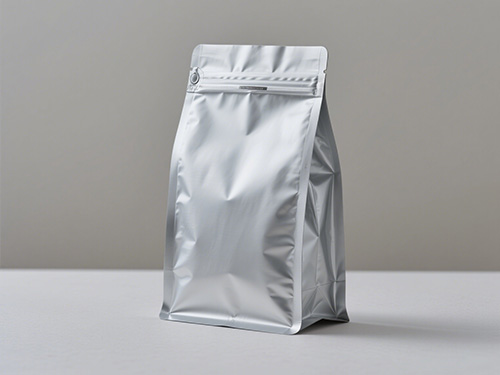
Stand up pouch bags are flexible packaging solutions designed with a reinforced bottom gusset that allows them to stand upright on shelves. This simple structural innovation improves product visibility and enhances shelf presentation.
They are typically made from multi-layer materials such as PET, PE, aluminum foil, or kraft paper. These layers are combined to protect products from moisture, oxygen, and light exposure.
Compared with traditional rigid containers, stand up pouch bags are lighter, more flexible, and significantly more space-efficient during transportation and storage.
Key Benefits of Stand Up Pouch Bags
Stand up pouch bags offer several practical advantages that directly impact your packaging efficiency and branding strategy:
First, they improve shelf visibility. Because they stand upright, your product naturally attracts more attention in retail environments.
Second, they reduce logistics costs. Their lightweight structure means lower shipping weight and reduced storage volume.
Third, they provide strong product protection through multi-layer barrier materials that extend shelf life.
Fourth, they enhance consumer convenience with resealable options like zippers or spouts.
From an operational perspective, businesses often report reduced packaging waste and improved storage efficiency after switching from rigid packaging to stand up pouch formats.
Materials Used in Stand Up Pouch Bags
The performance of stand up pouch bags largely depends on material selection. Each material serves a specific function:
- PET (Polyethylene Terephthalate): High clarity and strength, commonly used for visual appeal
- PE (Polyethylene): Flexible and cost-effective, often used in inner layers
- Aluminum foil: Provides excellent barrier protection against light and oxygen
- Kraft paper: Eco-friendly appearance with natural branding appeal
Sustainable Packaging Options
Sustainability is becoming a major purchasing factor. According to a McKinsey sustainability packaging report, over 60% of consumers prefer products with eco-friendly packaging options when available.
This has led to increased adoption of recyclable mono-material pouches and biodegradable alternatives. As a result, many brands are redesigning their packaging systems to reduce environmental impact while maintaining product performance.
Types of Stand Up Pouch Bags
Different products require different pouch structures. The most common types include:
- Zipper stand up pouches for dry foods and snacks
- Spout pouches for liquids such as juices or sauces
- Aluminum foil pouches for high-barrier protection products
- Window pouches for product visibility and retail display
Choosing the Right Type
When selecting a pouch type, you should consider product texture, storage requirements, and consumer usage habits. For example, powders require strong sealing and moisture resistance, while liquids require leak-proof spout designs.
Applications Across Different Industries
Stand up pouch bags are widely used across multiple industries due to their versatility.
In the food industry, they are used for coffee, tea, snacks, and frozen foods. In personal care, they package powders, scrubs, and refillable liquids. In pet food packaging, their durability and resealability make them a preferred choice.
Case Study
A mid-sized snack brand transitioned from rigid plastic jars to stand up pouch bags for its dried fruit product line. After the switch, they observed improved shelf efficiency and a noticeable increase in retail visibility.
Within three months, internal sales tracking showed approximately 18–25% improvement in retail conversion rate, largely attributed to improved packaging design and shelf presentation.
Stand Up Pouch Bags vs Traditional Packaging
To understand their advantages more clearly, here is a comparison between stand up pouch bags and traditional packaging formats:
| Feature | Stand Up Pouch Bags | Rigid Packaging | Flat Pouches |
|---|---|---|---|
| Shelf Display | Excellent visibility | Strong but bulky | Limited |
| Cost Efficiency | High | Lower efficiency | Medium |
| Weight | Lightweight | Heavy | Lightweight |
| Storage Efficiency | Very high | Low | High |
| Customization | Highly flexible | Moderate | Moderate |
This comparison highlights why many brands are shifting toward flexible packaging solutions.
Customization Options for Stand Up Pouch Bags
Customization is one of the strongest advantages of stand up pouch bags. You can adjust nearly every aspect to match your branding needs.
Common customization options include:
- Size and volume adjustment
- Material selection for barrier performance
- Printing techniques such as digital or gravure printing
- Matte, gloss, or soft-touch surface finishes
- Transparent windows for product visibility
Enhancing Brand Value Through Packaging
Packaging is often the first physical interaction a customer has with your brand. A well-designed pouch can significantly improve perceived product value and brand recognition.
Research from Packaging Digest indicates that packaging design influences over 70% of purchase decisions at the point of sale, especially in fast-moving consumer goods categories.
How to Choose the Right Stand Up Pouch Bags
Choosing the right pouch requires balancing performance, cost, and user experience.
You should evaluate:
- Product type (solid, liquid, powder)
- Required barrier protection level
- Storage and transportation conditions
- Branding and visual requirements
- Budget constraints
Common Mistakes to Avoid
Many businesses make avoidable packaging mistakes such as:
- Selecting low-barrier materials for moisture-sensitive products
- Ignoring reseal functionality for multi-use products
- Over-prioritizing cost while sacrificing product protection
- Underestimating the importance of visual design
Avoiding these mistakes can significantly improve product performance and customer satisfaction.
Future Trends in Stand Up Pouch Packaging

The future of stand up pouch bags is closely linked to sustainability and innovation.
We are seeing rapid development in recyclable mono-material structures, smart packaging integration, and minimalist design trends. Brands are also moving toward smaller batch customization to support flexible marketing strategies.
In addition, digital printing technology is making it easier for businesses to launch new designs quickly without high production costs.
Conclusion
Stand up pouch bags have become a cornerstone of modern packaging due to their balance of functionality, cost efficiency, and branding potential.
Whether you are in food, cosmetics, pet care, or retail, these packaging solutions offer a flexible and scalable way to improve both product protection and market appeal.
By choosing the right materials, design, and structure, you can significantly enhance your product’s performance and strengthen your brand presence in competitive markets.
FAQ
What are stand up pouch bags and how do they work?
They are flexible packaging bags with a bottom gusset that allows them to stand upright and improve shelf display.
Are stand up pouch bags suitable for food packaging?
Yes, they are widely used for food products such as snacks, coffee, and dried goods.
Can stand up pouch bag be customized?
Yes, they can be customized in size, material, printing, and finishing to match branding needs.
Are stand up pouch bag eco-friendly?
Many modern options use recyclable or biodegradable materials to support sustainability goals.
How do I choose the right stand up pouch bag?
You should consider product type, barrier requirements, branding needs, and budget before selection.