Оглавление
Введение
In the world of consumer products, how your items are packaged often has as much impact as the product itself. With increasing demand for innovative, durable, and sustainable solutions, understanding custom plastic manufacturing is essential for anyone looking to stand out in the market.
Whether you produce personal care products, household cleaners, or specialized industrial items, the right plastic manufacturing process can improve durability, aesthetics, and user satisfaction. As a brand owner or product manager, knowing the options available—from materials and molding techniques to design innovations—will help you create packaging that not only protects your product but also elevates your brand perception.
Why Custom Plastic Manufacturing Matters

Custom plastic manufacturing is more than mass production—it is about tailoring solutions to meet specific product and consumer needs. Here’s why it’s critical:
- Enhanced Product Protection: Quality plastics shield your product from physical damage, moisture, and contamination.
- Improved Consumer Experience: Ergonomically designed bottles, jars, or containers ensure your product is easy to handle, dispense, and store.
- Brand Differentiation: Customized shapes, colors, and textures allow your products to stand out on crowded retail shelves.
- Sustainability Options: Modern manufacturing techniques allow for recyclable and reusable plastics, meeting rising environmental expectations.
Case Example: A natural skincare brand switched from generic plastic jars to custom-shaped, eco-friendly PET containers. Within six months, customer reviews highlighted the packaging as a key reason for repurchase, increasing repeat purchases by 28%.
Materials Commonly Used in Custom Plastic Manufacturing
Selecting the right material is foundational for creating functional and attractive packaging. Popular choices include:
- High-Density Polyethylene (HDPE): Resistant to chemicals, lightweight, and durable—perfect for liquid products like soaps and detergents.
- Polyethylene Terephthalate (PET): Offers clarity and strength, suitable for premium products where visual appeal is critical.
- Polypropylene (PP): Heat-resistant and sturdy, commonly used for caps, jars, and containers requiring hot-fill processing.
- Bioplastics and Recyclable Plastics: Increasingly popular for eco-conscious brands, these materials reduce environmental impact while maintaining performance.
Each material offers a balance between cost, performance, and aesthetics. Your choice should align with product type, user needs, and brand positioning.
Key Manufacturing Techniques
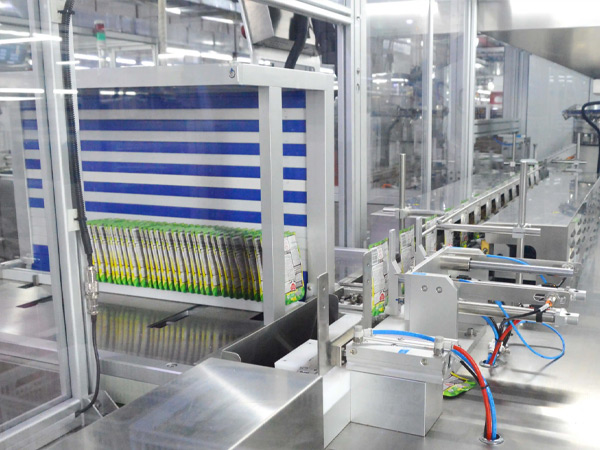
Understanding different custom plastic manufacturing methods helps you choose the best approach for your product:
- Injection Molding: Ideal for high-volume production of complex shapes like pump heads, caps, and containers. Offers high precision and consistency.
- Blow Molding: Used to produce hollow containers such as bottles. Excellent for uniform wall thickness and lightweight packaging.
- Thermoforming: Suitable for trays and rigid packaging with large surface areas. Allows for detailed branding and intricate designs.
- Rotational Molding: Perfect for large containers, bins, or industrial packaging. Produces durable, uniform walls without seams.
Example: A hand sanitizer brand used injection-molded plastic bottles with ergonomic designs, improving usability and reducing spillage during dispensing.
Designing for User Experience
When creating custom plastic packaging, user experience is key:
- Эргономика: Ensure containers are comfortable to hold and dispense, especially for liquid products.
- Dispensing Features: Pumps, flip-top caps, and spouts improve convenience and control.
- Visual Appeal: Transparent or frosted plastics allow visibility of contents, while colored plastics enhance brand recognition.
- Этикетка и печать: High-quality printing and clear labels communicate essential product information.
Case Example: A liquid detergent brand transitioned from standard bottles to ergonomically curved bottles with flip-top caps. This design reduced customer complaints about pouring and improved overall satisfaction scores by 20%.
Table: Comparison of Common Plastic Manufacturing Methods
| Manufacturing Method | Лучшее для | Key Advantages | Соображения |
|---|---|---|---|
| Литье под давлением | Caps, pump heads, small containers | High precision, repeatable, cost-effective for high volumes | Higher tooling cost |
| Выдувное формование | Bottles, jars | Hollow shapes, lightweight, uniform wall thickness | Limited to hollow parts |
| Thermoforming | Trays, clamshells | Large surface area, detailed branding | Less suitable for complex shapes |
| Rotational Molding | Large bins, industrial containers | Durable, seamless walls | Slower production time |
This table helps you compare techniques to determine which process fits your product requirements, volume, and budget.
Case Study: Transforming Packaging Efficiency
A startup producing bath salts initially shipped in generic tubs. Frequent breakage and inconsistent product appearance led to customer dissatisfaction. By switching to custom injection-molded jars with snap-on caps:
- Breakage rates dropped by 85%.
- Packaging looked more premium, increasing perceived value.
- Custom colors and embossed branding enhanced shelf visibility.
Sustainability in Custom Plastic Manufacturing
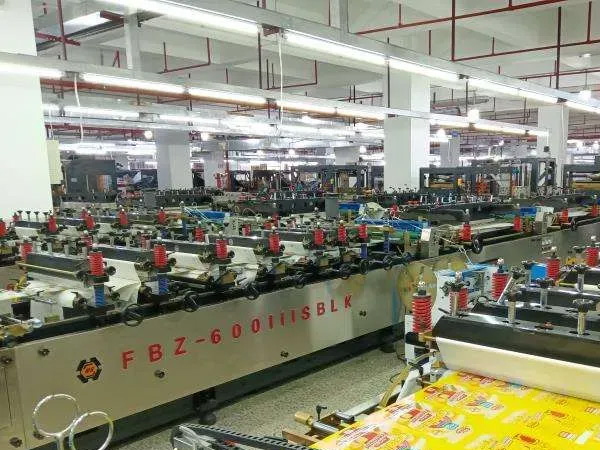
Consumer demand for eco-conscious products continues to rise. You can integrate sustainability without compromising performance:
- Recyclable Plastics: PET, HDPE, and PP can be recycled efficiently.
- Reduced Material Usage: Optimized designs lower weight while maintaining durability.
- Reusable Packaging: Encourages consumers to repurpose containers, adding value to your brand.
Quality Control and Compliance
Ensuring quality in custom plastic manufacturing protects your brand and end-users:
- Test for chemical safety and food-grade compliance if applicable.
- Inspect sealing, durability, and consistency across batches.
- Ensure compatibility with filling equipment and supply chain requirements.
Tips for Choosing a Custom Plastic Manufacturer
- Verify material certifications and safety compliance.
- Review past projects for design capabilities and quality standards.
- Assess production capacity and lead times.
- Confirm options for customization and branding.
- Discuss eco-friendly alternatives and sustainability initiatives.
Emerging Trends
- Умная упаковка: Integration of QR codes and NFC chips for tracking and engagement.
- Textured and Tactile Finishes: Improves grip and creates premium tactile experiences.
- Miniaturization and Portability: Compact packaging for travel or trial-sized products.
- Hybrid Materials: Combining plastics with biodegradable films or laminated layers for added functionality.
Заключение
Custom plastic manufacturing offers brands the opportunity to create packaging that protects products, improves user experience, and enhances brand perception. From material choice to design and sustainability, every decision impacts how your customers interact with your product.
If you want to elevate your packaging, increase consumer satisfaction, and build a memorable brand, our experts are ready to guide you in selecting the perfect custom plastic manufacturing solutions. Свяжитесь с нами сегодня for a personalized consultation and start transforming your packaging strategy into a competitive advantage.
Часто задаваемые вопросы
Являются custom plastic manufacturing products safe for food or personal care items?
Yes, provided the materials comply with relevant safety standards and certifications.
Can I order small batches of custom plastic containers?
Many manufacturers accommodate small or pilot runs for testing market response.
How long does it take to produce custom plastic products?
Depending on design complexity, tooling, and volume, it typically ranges from 4–12 weeks.
Can I customize both the color and shape of plastic containers?
Absolutely. Most manufacturers support full customization including colors, shapes, and textures.
How do I choose the right manufacturing process?
Consider the product type, desired shape, volume, and budget. Injection molding is ideal for precision parts, while blow molding suits bottles.