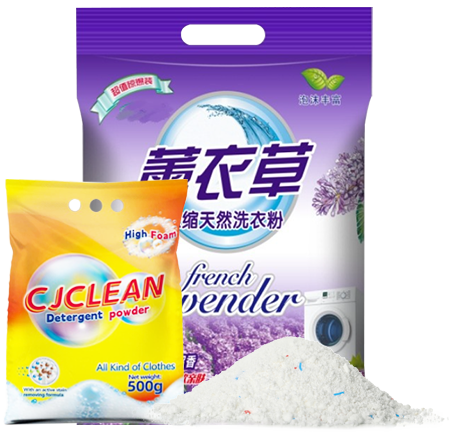
The liquid packaging industry is undergoing a revolutionary transformation. For decades, rigid plastic bottles and glass jars with standard screw caps have been the industry standard. However, as supply chains grow increasingly complex and consumer expectations for convenience continue to rise, the limitations of these traditional packaging formats have become apparent. If you manage a product line involving liquids, pastes, or powders, you have likely noticed the growing trend toward flexible spouted pouches. At the heart of this innovation lies the plastic spout cap.
Upgrading to a plastic spout cap is far more than just a cosmetic change; it is a strategic move designed to enhance product integrity, reduce shipping costs, and meet the high standards of modern distribution. In this in-depth analysis, we will explore why this small component surpasses traditional sealing solutions and how it can redefine your brand value.
Table of Contents
Understanding the Evolution of Liquid Packaging: From Rigid to Flexible
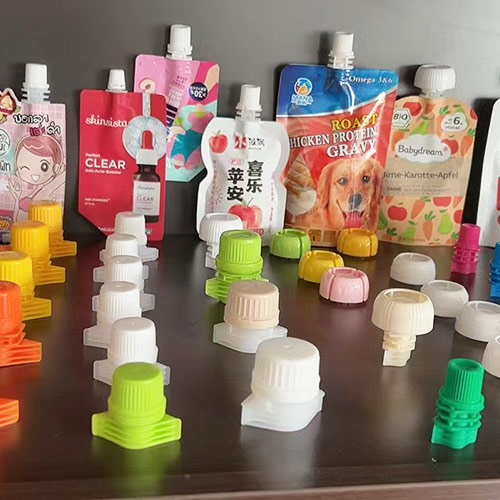
Traditional packaging often relies on heavy, bulky containers that occupy significant space even when empty. Rigid bottles require standard caps that, while functional, offer little in the way of specialized dispensing. The shift toward flexible pouches, powered by high-quality plastic spout cap integration, addresses these inefficiencies. Flexible packaging uses up to 70% less plastic than rigid alternatives, and the spout allows for a controlled flow that traditional wide-mouth jars simply cannot match.
Core Functional Differences: Plastic Spout Cap vs. Standard Caps
The primary difference lies in the dispensing mechanism. A standard cap requires the user to tilt a heavy container, often leading to glugging or accidental spills. In contrast, a plastic spout cap is engineered for precision. Whether it is a flip-top design for quick access or a screw-on tamper-evident version, the spout acts as a dedicated conduit. This is particularly vital for high-viscosity products like sauces or industrial lubricants where waste is a major consumer complaint.
Superior Sealing Technology: How a Plastic Spout Cap Prevents Leakage
Traditional caps often struggle with inconsistent torque or liner failure during the vibration of long-haul transport. A professional-grade plastic spout cap utilizes advanced thread designs, such as the 28/410 or 33/400 standards, to create a hermetic seal. According to packaging engineering studies on closure integrity, specialized spout assemblies offer higher resistance to internal pressure spikes compared to standard flat caps, ensuring the product remains contained even under the stress of stacked pallets.
Technical Comparison: Plastic Spout Cap vs. Traditional Rigid Closures
To better understand the mechanical advantages, consider the following performance data based on standard industrial packaging metrics:
| Performance Metric | Traditional Rigid Cap | Specialized Plastic Spout Cap |
| Material Efficiency | High plastic consumption | Reduced polymer usage per unit |
| Leakage Resistance | Moderate (Dependent on liner) | High (Structural thread sealing) |
| Dispensing Control | Poor (Wide-mouth flow) | High (Targeted nozzle flow) |
| Shipping Volume | High (Empty space in bottles) | Low (Pouches lay flat) |
| Consumer Safety | Basic screw-off | Integrated Tamper-Evident Ring |
| Reclosability | Standard | Enhanced Hermetic Seal |
Enhancing User Experience with Ergonomic Designs
In a competitive market, user experience is a key differentiator. A plastic spout cap is designed with ergonomics in mind. Many modern spouts feature ribbed sides for better grip, which is essential for elderly users or those wearing gloves in industrial settings. The reclosable nature of these caps ensures that the product remains fresh after the first use, preventing oxidation and spoilage that often occurs when traditional seals are broken.
Cost-Efficiency Analysis: Reducing Material and Transportation Costs
The financial argument for switching to a plastic spout cap is compelling. Because these caps are designed for lightweight flexible pouches, the total weight of the finished product is significantly lower. Logistics data from global freight analysis indicates that switching from rigid containers to spouted pouches can increase shipping density by nearly 40%. This means you can fit more product in a single container, directly lowering your carbon footprint and fuel surcharges.
Material Safety: Choosing Food-Grade and BPA-Free Materials


For businesses in the food, beverage, or pharmaceutical sectors, material compliance is non-negotiable. Quality plastic spout cap production typically utilizes Polypropylene (PP) or High-Density Polyethylene (HDPE). These materials are chosen for their high chemical resistance and thermal stability. Industry safety reports confirm that food-grade, BPA-free polymers ensure that no harmful chemicals leach into the product, maintaining the sensory profile and safety of the contents throughout its shelf life.
Sustainability Trends: The Rise of PCR and Recyclable Solutions
Sustainability is no longer an optional “extra.” It is a core requirement for global market entry. The packaging industry is moving toward mono-material solutions to simplify the recycling process. By using a plastic spout cap made from the same material family as the pouch (such as all-polyethylene structures), the entire package becomes easier to recycle. Furthermore, the integration of Post-Consumer Recycled (PCR) resins into spout manufacturing is helping brands meet strict environmental mandates without sacrificing the durability of the closure.
Industry Applications: Where a Plastic Spout Cap Outperforms
While the plastic spout cap is famous in the food industry for items like baby food and condiments, its utility extends much further. In the household chemical sector, it provides a safe way to dispense concentrated detergents. In the industrial sector, it allows for the precise application of oils and adhesives. The versatility of the spout diameter allows manufacturers to tailor the flow rate to the specific viscosity of their liquid, a level of customization that traditional caps rarely provide.
Customization Options: Branding Your Plastic Spout Cap
Your packaging is a silent salesman. A plastic spout cap offers multiple avenues for branding. Beyond standard white or transparent options, these caps can be produced in custom colors to match your brand identity. Logo embossing on the top of the cap adds a premium feel and serves as an additional layer of anti-counterfeiting protection. By selecting a unique cap design, you create a distinct shelf presence that helps your product stand out in a crowded marketplace.
Conclusion
Evidence suggests that plastic spout caps are the optimal choice for modern liquid packaging. Their advantages are clear, ranging from reduced logistics costs to an enhanced end-user experience. If you are committed to offering safe, sustainable, and professional products, upgrading your cap system is undoubtedly the most effective starting point. By comparing your current packaging solution with the precision and reliability of a dedicated spout system, you are likely to discover significant opportunities for operational improvements and brand growth.
FAQ
What are the most common sizes for a plastic spout cap?
Standard neck diameters typically range from 8.5mm to 33mm. The most widely used sizes for flexible pouches are 10mm, 16mm, and 22mm, while 28/410 and 33/400 thread standards are common for larger industrial or household chemical containers.
Is a plastic spout cap safe for food and beverage packaging?
Yes, professional-grade spout caps are manufactured using food-grade polymers such as Polypropylene (PP) and High-Density Polyethylene (HDPE). These materials are BPA-free and compliant with international safety standards to ensure no chemical migration occurs during storage.
How does a plastic spout cap ensure product security?
Most high-quality caps incorporate a tamper-evident ring or a break-away seal. This provides visual proof to the end consumer that the product has not been opened or altered, which is a critical requirement for food, pharmaceutical, and high-value chemical industries.
Can a plastic spout cap withstand hot-filling processes?
Many plastic spout caps are specifically engineered for thermal stability. High-heat resistant PP caps can typically withstand hot-filling temperatures between 85°C and 95°C without warping or losing their sealing integrity, making them ideal for pasteurized liquids.
Are there eco-friendly options for plastic spout caps?
The industry is rapidly shifting toward sustainability by offering caps made from PCR (Post-Consumer Recycled) plastics. Additionally, mono-material designs—where both the pouch and the spout cap are made from the same plastic family—are becoming the standard for easier recycling.