Table of Contents
Introduction
Woven bags remain the most economical and reliable choice for transporting powdered materials, chemical raw materials, and bulk agricultural products. However, numerous purchasers report common issues with standard woven bags, such as broken threads, powder leakage, or blurred printing.
As a manufacturer with 28 years’ experience in the plastic packaging industry, we maintain that qualified industrial-grade woven bags must achieve equilibrium across three dimensions: weight, tensile strength, and print quality.
Why Select Polypropylene as the Raw Material?
What is Polypropylene (PP)?
Polypropylene is a thermoplastic resin formed by the polymerisation of propylene, exhibiting three structural configurations: isotactic, atactic, and syndiotactic. Industrial products primarily utilise isotactic polypropylene. Polypropylene also encompasses copolymers of propylene with trace amounts of ethylene. Typically appearing as a translucent, colourless solid, it is odourless and non-toxic. Its regular structure and high crystallinity yield a melting point of 167°C, conferring excellent heat resistance. This enables steam sterilisation of products—a significant advantage.This material exhibits corrosion resistance with a tensile strength reaching 30MPa, surpassing polyethylene in terms of strength, rigidity and transparency. Its drawbacks include poor low-temperature impact resistance and susceptibility to ageing, though these can be mitigated through modification and the addition of antioxidants.
Woven bags typically appear white or greyish-white, being non-toxic and odourless with minimal health hazards. Despite being manufactured from various chemical plastics, they demonstrate favourable environmental credentials and high recyclability.
Woven bags serve diverse purposes, primarily packaging various goods, with widespread industrial applications.
Plastic woven bags are chiefly manufactured from polypropylene resin, processed through extrusion moulding and stretched into flat filaments before weaving into bags. They are suitable for packaging powdered, granular solids, and flexible items.
The toughness of woven bags depends on raw materials. We insist on using premium virgin PP pellets rather than inferior recycled materials.
- Tensile strength: Woven filaments made from virgin materials exhibit superior elongation and tensile strength, ensuring the bag body resists rupture during filling and high-altitude drops.
- Weather resistance: For outdoor storage requirements, UV protection additives can be incorporated to extend the bag’s lifespan under sunlight exposure.
Coating process and inner lining: Dual protection

For fine powders or moisture-sensitive products (such as chemical powders and speciality flours), standard woven mesh offers insufficient protection.
- BOPP Laminating Process: By laminating colour-printed BOPP film onto woven fabric, we achieve photographic-quality printing while enhancing waterproof and moisture-resistant properties.
- Functional Design — Our BOPP-laminated PP woven bags outperform paper sacks in durability and functionality. Their flexible design suits most food applications, from snacks to grains and flours!
- Eco-conscious Choice – Crafted from 100% recyclable, environmentally friendly materials using premium, tear-resistant and abrasion-resistant raw materials. Superior load-bearing design ensures secure storage.
- Ultimate Protection – Advanced composite technology delivers comprehensive moisture and contamination resistance, perfectly suited for outdoor storage environments, extending food freshness!
PE liner bags: We offer an integrated PE liner bag option for dual protection, ensuring complete isolation of the product from external air.
The PE liner bag, functioning as an inner lining within the woven sack, provides moisture-proof, damp-proof and leak-proof protection. Safety and high-capacity design for bulk bags (FIBCs): For 25kg, 50kg and even tonnage-grade packaging, the bottom seam construction is critical.
- Single-fold and double-fold stitching: Customised stitching techniques according to load-bearing requirements ensure even stress distribution across the base.
- Ergonomic cut-out design: Employing either hot-cut or cold-cut technology guarantees smooth, fray-free edges around the bag opening, preventing operator injury.
Conclusion
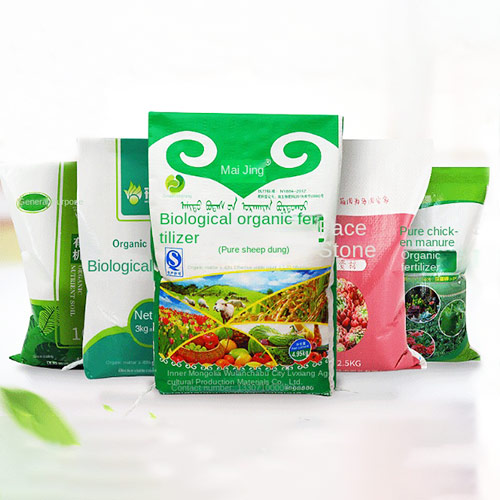
Woven polypropylene sacks are manufactured using high-strength polypropylene flat yarns through a weaving process, offering exceptional load-bearing capacity and tear resistance to withstand demanding transport conditions. Their breathable properties render them suitable for long-term storage of bulk goods such as grains, feedstuffs, fertilisers, and building materials. By effectively preventing moisture absorption while ensuring ventilation, they maintain the stability of contents. Bag surfaces can be customised with brand information and specification printing, supporting bespoke sizing adjustments. Additional features such as liners or handles can be incorporated, balancing practicality with convenience. Furthermore, this product is recyclable, aligning with sustainable packaging trends and establishing itself as an economical choice for bulk material packaging across industrial and agricultural sectors.
FAQ
Why is polypropylene the preferred material for woven bags?
PP offers high tensile strength (up to 30 MPa), heat resistance, corrosion resistance, and recyclability, making it ideal for industrial packaging.
How to prevent powder leakage from woven bags?
Use PE liner bags for dual protection or choose BOPP laminated woven bags that provide complete isolation from moisture and air.
What is the difference between BOPP laminated and regular woven bags?
BOPP laminated bags feature photographic-quality printing with waterproof protection, while regular woven bags offer basic breathable packaging.
How to ensure woven bags withstand heavy loads?
Virgin PP pellets provide superior tensile strength. Reinforced stitching techniques (single/double-fold) ensure even stress distribution for 25-50kg loads.
Are woven bags environmentally friendly?
Yes, PP woven bags are 100% recyclable. They can incorporate UV stabilisers for extended lifespan and are reusable for various applications.