Welcome to My Blog!
Before we dive into the content, if you’re interested in our products or have any questions, please feel free to visit our Contact Us page on the website. Our team is ready to assist you with inquiries, orders, or any support you may need.
Now, let’s get started on our journey together. I hope you find the content here insightful, engaging, and valuable.
Table of Contents
Introduction
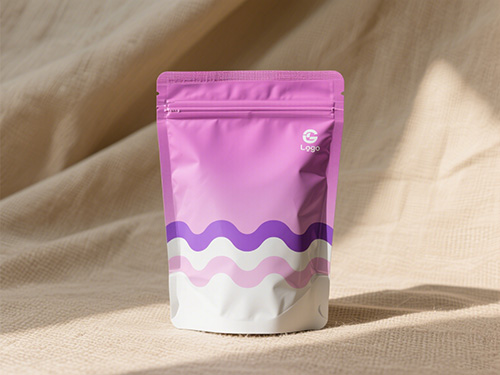
Stand up bags have become a staple in households and businesses alike, offering convenient storage for food, liquids, personal care, and household products. Their upright design makes them practical for kitchen shelves, pantries, and even travel. However, as usage increases, a pressing question arises: are stand-up bags truly safe for everyday use, especially when they come into contact with food or skin?
Consumers are becoming increasingly health-conscious, seeking packaging that is free from harmful chemicals. From potential chemical leaching to allergen risks, understanding the materials and safety standards behind stand up bags is crucial. In this article, we will explore the safety of stand-up bags for daily use, highlighting practical insights, scientific findings, and expert advice.
Materials Used in Stand Up Bags: Are They Safe for Food?

Stand up bags are typically made from plastics such as polyethylene (PE) or polypropylene (PP). According to research from the European Food Safety Authority (EFSA), both PE and PP are considered safe for direct food contact when manufactured according to regulatory standards.
These materials are generally non-reactive and resistant to moisture, making them ideal for storing liquids and dry foods. However, the use of additives, colorants, or printed inks in the bags can introduce potential risks if not carefully regulated.
BPA-Free Stand Up Bags: Why It Matters
One of the primary concerns with plastic packaging is the presence of BPA (Bisphenol A), a chemical linked to hormonal disruptions. Modern stand up bags are increasingly marketed as BPA-free, reducing potential health risks.
Consumers with young children or sensitive skin should prioritize BPA-free options, especially when storing liquids, baby foods, or products that will be in prolonged contact with the skin.
Chemical Migration from Stand-Up Bags
Chemical migration occurs when compounds from packaging materials leach into the stored product. Factors influencing migration include temperature, storage duration, and the nature of the contents (oil, acid, or water-based).
A study published in the Journal of Food Packaging Science indicates that PP and PE stand-up bags show minimal migration under normal storage conditions. Still, it is advised to avoid prolonged exposure to high heat, such as placing the bags in direct sunlight or near ovens, as elevated temperatures can increase migration risks.
Table: Comparison of Stand Up Bag Safety Features
| Feature | Standard Stand Up Bags | High-Safety Stand Up Bags |
|---|---|---|
| Material Type | PE/PP | BPA-free PE/PP |
| Food Contact Safety | Moderate | Compliant with food-grade standards |
| Heat Resistance | Moderate | Higher resistance, reduces chemical migration |
| Reusability | Limited | Designed for multiple uses |
| Additives & Inks | May contain dyes/inks | Non-toxic, safe for skin contact |
Are Stand-Up Bags Safe for Liquids and Personal Care Products?

Stand-up bags are not limited to food. They are increasingly used for liquid detergents, shampoos, and hand sanitizers. For these applications, it is critical that the materials do not interact with the product or degrade over time.
Regulated PE and PP materials, along with non-toxic inks and coatings, ensure that the products remain safe and uncontaminated. Always check for certification such as FDA or EU food-contact approvals when using stand-up bags for consumables or skin-contact products.
Reusable Stand-Up Bags: What You Should Know
Reusable stand-up bags offer environmental benefits but require careful cleaning. Studies from Environmental Packaging Research highlight that improper washing can lead to bacterial growth. Using soap and warm water to clean reusable stand-up bags ensures that they remain hygienic for everyday use.
How to Identify Safe Stand Up Bags
When selecting stand up bags for daily use, look for these features:
- BPA-free labeling
- FDA or EU food-grade certification
- Minimal or non-toxic inks and dyes
- High resistance to heat and moisture
- Clear instructions for reuse and cleaning
These indicators help ensure that your stand up bags are safe for both your family and your products.
Conclusion
Stand up bags offer a convenient, versatile, and generally safe packaging solution for food, liquids, and personal care products. By selecting BPA-free, food-grade materials and following proper storage guidelines, you can minimize potential health risks and fully enjoy the benefits of this practical packaging. If you’re considering upgrading your packaging or ensuring product safety, invest in high-quality, certified stand-up pouches. Choose materials designed for daily safety to protect the health and well-being of you and your customers.
Evaluate your current packaging, switch to certified BPA-free stand up bags, and maintain proper storage and cleaning practices to ensure safety in all daily uses.
FAQ
Are stand up bags safe for storing liquids?
Yes, BPA-free PE or PP stand-up bags are safe for liquids, but avoid prolonged exposure to high heat.
Can I reuse stand-up bags for food storage?
Yes, but ensure they are properly cleaned with warm water and mild soap to prevent bacterial contamination.
How do I know if a stand-up bag is safe for skin-contact products?
Check for non-toxic inks, BPA-free labeling, and compliance with FDA or EU food-contact standards.
Are colored stand-up bags less safe than transparent ones?
Not necessarily, but always confirm that dyes and inks used are non-toxic and certified for safe use.
Can stand-up bags affect food taste or smell?
High-quality, food-grade stand-up bags are designed to be inert and should not affect the taste or smell of stored products.