When you are looking to bring a new travel toiletry product to market or expand your existing line, finding the right manufacturing partner for travel size squeeze bottles can make or break your success. The global travel accessories market has experienced significant growth, with travel size containers representing a substantial segment that continues to expand as consumer travel habits evolve and sustainability concerns drive demand for reusable, high-quality packaging solutions.
Understanding the manufacturing landscape for travel size squeeze bottles requires navigating complex decisions about materials, customization options, regulatory compliance, and production capabilities. This comprehensive guide will walk you through everything you need to know about OEM/ODM services for travel size squeeze bottles, helping you make informed decisions that align with your business goals and quality standards.
Table des matières
Understanding Travel Size Squeeze Bottle Manufacturing Market

The market for travel size squeeze bottles has transformed significantly over the past decade. According to industry market analysis data, the global travel size squeeze bottles accessories market reached approximately $45 billion in 2025, with travel containers and toiletry packaging representing roughly 8-10% of this total. The growing trend toward personalized travel experiences, coupled with increasing environmental awareness, has driven demand for high-quality, reusable travel size squeeze bottles across multiple consumer segments.
Several key factors are driving this market growth. The travel industry’s continued recovery from global disruptions has led to increased travel frequency among consumers, which directly correlates with demand for travel-sized packaging solutions. Additionally, sustainability trends have shifted consumer preferences away from single-use travel amenities toward durable, reusable containers that can be refilled multiple times. This shift has created opportunities for manufacturers who can produce high-quality, environmentally conscious travel size squeeze bottles that meet both functional and ethical consumer expectations.
Travel size squeeze bottles come in various types, each suited for different applications and market segments. Silicone squeeze bottles dominate the premium market segment due to their flexibility, durability, and perceived premium quality. These bottles offer excellent squeezability, allowing users to easily dispense thick products like lotions and conditioners while maintaining structural integrity over repeated use. Plastic squeeze bottles, particularly those made from HDPE, PET, and PP materials, remain popular for mass-market applications due to their cost-effectiveness and clarity advantages.
Size specifications in the travel size squeeze bottles market typically follow standard TSA guidelines, with 3.4 ounces (100ml) being the maximum capacity for carry-on travel compliance. However, manufacturers also produce smaller sizes including 1oz (30ml), 2oz (60ml), and 3oz (90ml) to accommodate different product requirements and consumer preferences. The most common sizes and their typical applications are shown in the table below:
| Bottle Size | Capacité | Applications courantes | Typical Market Segment |
|---|---|---|---|
| 1oz (30ml) | 30ml | Perfumes, essential oils, serums | Premium cosmetics, luxury travel |
| 2oz (60ml) | 60ml | Facial cleansers, toners, lotions | Skincare brands, specialty products |
| 3oz (90ml) | 90ml | Shampoos, conditioners, body wash | Personal care, hotel amenities |
| 3.4oz (100ml) | 100ml | All liquid toiletries | General travel, mass market |
Customers for travel size squeeze bottles span multiple industries with distinct requirements. Cosmetics and personal care brands represent the largest customer segment, seeking premium packaging that reflects their brand identity and protects product integrity. Pharmaceutical and medical product companies require specialized manufacturing capabilities, including clean room production and medical-grade materials that meet stringent regulatory requirements. The hotel and hospitality industry demands large-scale production capabilities with consistent quality across thousands of units, often requiring private label solutions that match their brand aesthetics.
OEM/ODM Services: Custom Manufacturing Solutions
When engaging with travel size squeeze bottles manufacturers, understanding the difference between OEM and ODM services is crucial for selecting the right approach for your business needs. OEM (Original Equipment Manufacturing) services involve producing bottles based on your exact specifications and designs. This option gives you complete control over the final product’s appearance, dimensions, and functionality but requires significant upfront investment in design and development. OEM is ideal when you have proprietary designs or specific requirements that differentiate your product in the marketplace.
ODM (Original Design Manufacturing) services, on the other hand, leverage the manufacturer’s existing designs and expertise. This approach significantly reduces development time and costs while still allowing for customization through colors, logos, and minor modifications. ODM is particularly attractive for businesses entering the travel accessories market quickly or those with limited in-house design capabilities. Many manufacturers also offer hybrid approaches, where standard designs are modified to meet specific customer requirements, balancing cost-effectiveness with product differentiation.
Custom design capabilities vary significantly among manufacturers, ranging from simple color modifications to completely custom mold development. Custom mold projects typically represent a significant investment, with mold costs depending on the complexity and size of the mold. However, this investment enables unique product designs that can command premium pricing and create strong brand identity in the marketplace. Leading manufacturers provide engineering support throughout the design process, helping optimize designs for manufacturability while maintaining the intended aesthetic and functional characteristics.
Material selection represents one of the most critical decisions in travel size squeeze bottles manufacturing. Different materials offer distinct advantages in terms of durability, flexibility, chemical resistance, and cost. Silicone provides excellent flexibility and durability but comes at a higher price point. HDPE offers superior chemical resistance at a lower cost but lacks the premium feel of silicone. PET provides clarity and recyclability advantages but may not be suitable for all product types. An experienced manufacturer will provide material compatibility analysis based on your specific product formulation, ensuring that the selected material maintains integrity and does not react with your product over time.
Production Process and Quality Control Standards
The manufacturing workflow for travel size squeeze bottles involves multiple stages, each critical to ensuring consistent quality and performance. The process begins with design validation and prototyping, where digital designs are transformed into physical samples for testing and approval. This phase is essential for identifying potential manufacturing challenges and making necessary adjustments before investing in full-scale production. Mold fabrication follows, with precision tooling created to exacting specifications. Modern manufacturing facilities utilize advanced CNC machining and EDM (Electrical Discharge Machining) technologies to achieve the tight tolerances required for consistent bottle production.
Once molds are completed, production setup begins with material preparation and machine calibration. The actual manufacturing process varies depending on the selected material. Silicone bottles typically use injection molding or compression molding processes, while plastic bottles are produced through injection molding or extrusion blow molding. Each process requires precise temperature control, pressure regulation, and timing to achieve consistent results. Quality inspection occurs throughout the production run, with statistical process control monitoring key parameters such as dimensions, weight, and visual appearance.
Quality assurance protocols form the foundation of reliable manufacturing operations. ISO 9001 certification provides the framework for systematic quality management, ensuring consistent processes and continuous improvement. Leading manufacturers implement comprehensive quality control systems that include incoming material inspection, in-process monitoring, final product testing, and detailed documentation. These systems enable traceability throughout the production process, allowing manufacturers to quickly identify and address any issues that arise.
Testing and compliance verification represent critical components of the quality assurance process. Leak testing methodologies vary but typically include pressure decay testing, vacuum chamber testing, and squeeze testing under various temperature conditions. Durability testing simulates real-world conditions through drop tests from different heights and compression testing to ensure bottles can withstand the rigors of travel. Chemical resistance testing verifies material compatibility with various liquids, while TSA compliance testing ensures capacity and dimensional accuracy for carry-on travel requirements.
Customization Options and Technical Specifications
Size and capacity customization extends beyond the standard travel size squeeze bottles to accommodate specialized applications. While 3.4oz (100ml) represents the maximum TSA-approved size for carry-on travel, manufacturers can produce bottles in virtually any size to meet specific market needs. Custom capacity options require careful consideration of dimensional tolerances, which typically range from plus or minus 5% depending on the size and manufacturing process. Volume accuracy and consistency are particularly important for products where dosing precision affects consumer experience.
Material properties significantly impact product performance and user experience. Silicone offers exceptional flexibility, allowing users to easily squeeze thick products while the bottle returns to its original shape. This material also demonstrates excellent temperature resistance, maintaining performance in both hot and cold environments. Plastic materials offer different advantages: HDPE provides superior chemical resistance and durability, PET offers clarity for products where visibility is important, and PP provides a balance of properties at an attractive price point. Material selection should consider not only initial performance but also long-term durability and compatibility with your specific product formulation.
Cap and closure systems play a crucial role in product functionality and user experience. Flip-top caps represent the most common closure type for travel size squeeze bottles, offering easy one-handed operation and reliable sealing. Pump dispensers are essential for thicker products like lotions, providing controlled dispensing and preventing product waste. Spray attachments enable misting applications for products like facial toners or setting sprays. Child-resistant options incorporate safety mechanisms that make bottles difficult for young children to open while remaining accessible to adults. Custom cap designs can incorporate brand elements and enhance product differentiation in crowded market segments.
Advanced features and innovations continue to expand the functionality of travel size squeeze bottles. Leak-proof technologies have evolved beyond simple screw caps to include multi-layer sealing systems and no-drip valves that control product dispensing and prevent messes. Measurement markings enable precise dosing for applications where quantity control is important. Color-changing indicators can alert users to temperature variations or product freshness. Smart packaging integration incorporates RFID tags for inventory tracking or QR codes that link to product information and usage instructions. These innovations add value and differentiation, particularly in premium market segments.
Order Process and Lead Times
The journey from concept to delivered travel size squeeze bottles follows a structured process designed to ensure quality and meet customer expectations. Initial consultation and requirements gathering establish the foundation for successful project execution. This phase involves detailed discussions about product specifications, target market, budget constraints, and timeline requirements. Experienced manufacturers provide valuable input during this phase, helping customers optimize designs for manufacturability and cost-effectiveness while meeting their aesthetic and functional goals.
Sampling and prototyping represent critical steps in validating design concepts before full-scale production. Sample types vary from stock samples of existing products for immediate evaluation to custom prototypes that reflect specific design requirements. Pre-production samples provide the final opportunity to approve product quality and specifications before committing to full production runs. Sample development timelines typically range from one week for simple modifications to three to four weeks for complex custom designs requiring new molds.
Production timeline management requires careful planning and coordination. Standard lead times for travel size squeeze bottles vary based on order complexity and quantity, typically ranging from 15 to 45 days. Standard bottles without customization can often be produced in 15 to 20 days, while custom colors require 20 to 30 days. Private label orders with logo printing typically need 25 to 35 days, and fully custom mold projects may require 45 to 60 days or more, including time for mold fabrication and testing.
Quality approval and production release processes ensure that final products meet specified requirements. First article inspection involves detailed examination of initial production samples, verifying that all dimensions, materials, and cosmetic requirements meet specifications. Production sample approval provides confirmation that the manufacturing process is capable of consistently producing quality products. In-process quality monitoring identifies and addresses issues before they affect large quantities of product. Final quality acceptance criteria establish the standards that products must meet before shipping, with documentation and certifications delivered to verify compliance.
Packaging, Shipping, and Logistics
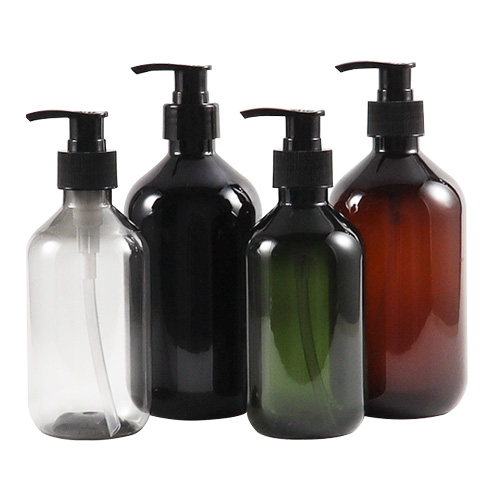
Packaging solutions for travel size squeeze bottles must balance protection, presentation, and cost considerations. Bulk packaging options include simple polybags for basic protection through cartons and pallets for larger shipments. Retail-ready packaging incorporates blister packs, display boxes, and other solutions designed for direct placement on retail shelves. Custom branded packaging enhances product presentation and brand recognition, particularly important for consumer-facing products. Export packaging requirements address international shipping regulations, ensuring products arrive safely and comply with import requirements. Sustainable packaging alternatives increasingly appeal to environmentally conscious consumers and businesses.
Shipping methods and transit times significantly impact total cost and delivery schedules. Sea freight offers the most economical option for large orders, with typical transit times of 20 to 45 days depending on origin and destination.
International trade and export services simplify the complexities of global shipping. Export documentation and customs clearance require specialized knowledge of regulations and requirements. Harmonized System (HS) codes determine tariff classifications and import duties, affecting total landed cost. Duty and tax considerations vary by destination country and product type, impacting pricing decisions and market strategy. Trade agreement benefits can reduce or eliminate tariffs for qualifying products shipped between participating countries. Importer of Record options clarify responsibility for customs compliance and import duties.
Warehousing and inventory management services provide flexibility in supply chain management. Just-in-time delivery options reduce carrying costs while ensuring product availability. Buffer stock and safety stock programs protect against demand fluctuations and supply disruptions. Seasonal inventory planning helps businesses prepare for peak demand periods without overstocking during slower periods. Drop shipping capabilities enable direct delivery to retail locations or end customers, simplifying distribution logistics. Vendor-managed inventory (VMI) options allow manufacturers to monitor inventory levels and replenish stock automatically, reducing administrative burden.
Quality Assurance and After-Sales Support
Warranty and quality guarantees provide protection and peace of mind for customers investing in custom manufacturing. Manufacturing defect warranties typically cover issues that arise from production problems rather than misuse or normal wear. Material performance guarantees address specific characteristics such as leak resistance, durability, or material compatibility.
Technical support and consultation services extend value beyond the initial sale. Dedicated account managers provide single points of contact for all needs, simplifying communication and ensuring consistent service. Technical troubleshooting assistance helps resolve issues that arise during product use or subsequent production runs. Material compatibility guidance prevents problems by ensuring proper material selection for specific products. Design optimization recommendations can improve product performance or reduce manufacturing costs. Regulatory compliance support helps customers navigate changing requirements and maintain market access.
Continuous improvement programs strengthen long-term partnerships and enhance product quality over time. Customer feedback integration ensures that manufacturer processes evolve to meet changing customer needs. Process optimization initiatives focus on increasing efficiency, reducing costs, and improving quality. Quality enhancement projects address specific issues or opportunities identified through production experience. Cost reduction collaborations share the benefits of efficiency improvements between manufacturer and customer. Innovation partnership opportunities explore new technologies, materials, or designs that can provide competitive advantages.
Long-term partnership benefits reward customer loyalty and provide strategic advantages. Priority production scheduling ensures that long-term customers receive preferential treatment during capacity constraints. Preferred pricing structures recognize the value of stable, predictable business relationships. New product development collaboration leverages manufacturing expertise to bring innovative products to market more quickly. Market trend insights sharing provides customers with valuable intelligence about industry developments and opportunities. Supply chain integration creates seamless operations that reduce administrative burden and improve overall efficiency.
Establishing a successful partnership with a travel size squeeze bottles manufacturer requires careful consideration of capabilities, quality systems, and cultural fit. By understanding the full range of OEM/ODM services available and making informed decisions about materials, customization, and production processes, you can create products that stand out in competitive markets while delivering value to your customers. The right manufacturing partner becomes more than a supplier, evolving into a strategic resource that contributes to your long-term success in the dynamic travel size squeeze bottles accessories market.
FAQ
What materials are commonly used for travel size squeeze bottles?
Travel size squeeze bottles are typically made from silicone, HDPE, PET, or PP materials. Silicone offers flexibility and premium quality, making it ideal for thick products like lotions. HDPE provides chemical resistance at a lower cost, PET offers clarity for visible products, and PP balances durability with affordability. Material selection depends on your specific product compatibility and target market positioning.
Are travel size squeeze bottles TSA approved for carry-on luggage?
Yes, travel size squeeze bottles can be TSA compliant when manufactured to meet specific requirements. The TSA allows containers up to 3.4 ounces (100ml) in carry-on luggage, provided all containers fit in a single quart-sized clear bag. Manufacturers ensure compliance through precise capacity measurements and dimension verification, with many bottles clearly marked with their volume for easy security screening.
How long does production take for custom travel size squeeze bottles?
Production lead times typically range from 15-45 days depending on order complexity. Standard bottles without customization can be produced in 15-20 days, custom colors require 20-30 days, private label orders with logos take 25-35 days, and fully custom mold projects may need 45-60 days or more. Rush production options are often available for urgent needs, though they may incur additional costs.
Can travel size squeeze bottles be customized with my brand logo?
Yes, manufacturers offer various branding options for travel size squeeze bottles. Logo printing methods include screen printing, pad printing, and digital printing, each offering different levels of detail and durability. Custom color matching using the Pantone system ensures brand consistency, while private label options allow for complete brand identity integration. Some manufacturers also offer embossed or debossed logos for a premium, tactile branding element.
Need Help Choosing the Right Travel Size Squeeze Bottles?
If you’re unsure about which travel size squeeze bottles solution best fits your brand or product line, our experts are here to help. Contactez-nous today for a personalized consultation, and ensure your packaging meets quality standards and customer expectations. Don’t wait until it’s too late—get in touch now to bring your travel size squeeze bottles accessory vision to life!