Table des matières
Introduction
In recent years, hand hygiene has become a central concern for households, offices, and public spaces. While small personal sanitizer bottles are convenient, many businesses and high-traffic areas now rely on large hand sanitizer bottles for efficiency, cost-effectiveness, and safety. Choosing the right bottle is not just about capacity; it’s about functionality, material safety, and user experience.
Whether you are managing a corporate office, a healthcare facility, or a busy retail store, understanding the nuances of large hand sanitizer bottles can help you make informed purchasing decisions that enhance both hygiene practices and operational efficiency.
Why Large Hand Sanitizer Bottles Are Essential
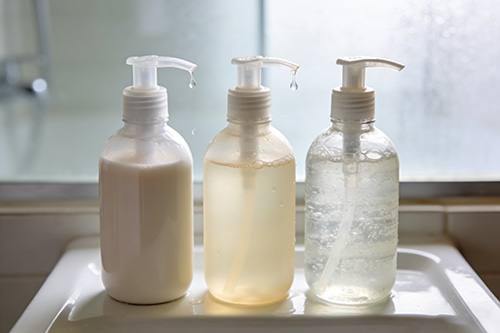
High-volume hygiene needs require packaging that is durable, easy to use, and safe. Large hand sanitizer bottles deliver several advantages:
- Reduced Refill Frequency: Businesses avoid constant restocking, saving time and labor.
- Cost Efficiency: Bulk purchasing reduces overall unit costs, especially for high-traffic locations.
- Environmental Benefits: Fewer bottles are discarded, lowering plastic waste and supporting sustainability goals.
- Improved Accessibility: Wide dispensers or pump systems allow multiple users to sanitize quickly and conveniently.
Exemple de cas : A medium-sized hospital implemented 1-liter pump bottles in all common areas. Refill trips decreased by 60%, allowing staff to focus on patient care.
Material Selection Matters
Choosing the right material for large hand sanitizer bottles is crucial for safety and durability:
- Polyéthylène haute densité (PEHD) : Resistant to alcohol-based sanitizers and chemicals. Non-toxic, ideal for repeated use.
- Polyéthylène téréphtalate (PET) : Offers clarity, strength, and a premium appearance. Suitable for dispensers in public areas where visibility of content is important.
- Polypropylène (PP) : Sturdy and heat-resistant, often used for caps, pump heads, and flip-top dispensers.
Conseil : Always verify that the material is FDA-compliant or meets applicable safety standards for hand sanitizer storage.
Caractéristiques de conception qui améliorent la convivialité
Large hand sanitizer bottles must be designed for practical use. Key features include:
- Pump Dispensers: Enable controlled, hygienic use for multiple individuals.
- Wide Mouth Openings: Simplify refilling and prevent spillage.
- Ergonomic Handles: Facilitate lifting and transporting heavier bottles.
- Labeling Areas: Clearly display contents, alcohol percentage, and usage instructions.
Exemple de cas : A corporate office switched from generic bottles to large HDPE bottles with ergonomic handles. Employees reported a 40% improvement in ease of use, and the facility reduced sanitizer spillage by 30%.
Table: Comparison of Popular Large Hand Sanitizer Bottle Types
| Type de bouteille | Capacity Range | Cas d'utilisation idéal | Avantages clés | Considérations |
|---|---|---|---|---|
| Pump Bottles | 500 ml – 2 L | Offices, clinics, public areas | Easy dispensing, controlled flow | Requires sturdy base for stability |
| Flip-Top Bottles | 500 ml – 1.5 L | Homes, personal stations | Convenient, portable | Flow may be slower for multiple users |
| Refill Carboys | 2L – 5L | Hospitals, schools, industrial sites | High capacity, cost-efficient | Bulky, requires pumps or pouring tools |
| Wall-Mount Dispensers | 500 ml – 1.5 L | Entrances, high-traffic areas | Hands-free, reduces contamination | Fixed location, higher installation cost |
This table helps you select a solution that fits your environment, usage volume, and safety requirements.
Safety Considerations
When choosing large hand sanitizer bottles, you need to ensure:
- Alcohol Compatibility: Containers must withstand high-concentration alcohol without degrading.
- Prévention des fuites : Tight-fitting caps and quality pumps prevent leakage and maintain sanitizer integrity.
- Child Safety: Bottles in public spaces should be designed to reduce accidental ingestion risks.
Exemple de cas : A daycare facility adopted child-resistant flip-top bottles, improving safety while maintaining accessibility for staff.
Sustainability in Hand Sanitizer Packaging
Modern businesses and consumers increasingly prefer sustainable options:
- Refillable Large Bottles: Reduces plastic waste by allowing multiple refills.
- Recyclable HDPE or PET: Supports circular economy initiatives.
- Conceptions légères : Decrease shipping emissions and overall material usage.
Choosing the Right Manufacturer
Partnering with the right supplier ensures product reliability and compliance:
- Verify certifications for material safety and quality.
- Evaluate production capabilities to handle volume and customizations.
- Assess their ability to offer eco-friendly or specialized options.
- Check for experience with high-alcohol-content products.
Emerging Innovations
Large hand sanitizer bottles are evolving with new features:
- Touchless Dispensers: Reduce contamination risk in high-traffic areas.
- Transparent Measurement Indicators: Help monitor remaining sanitizer levels.
- Custom Branding Options: Labeling and bottle design enhance brand visibility.
- Integrated Refill Systems: Simplify logistics for large facilities.
Case Study: Transforming Workplace Hygiene
A co-working space with over 500 daily visitors upgraded to 1.5 L wall-mount pump bottles. Results included:
- 50% reduction in sanitizer waste.
- Positive feedback from members regarding hygiene convenience.
- Staff time is saved by reducing refill frequency, allowing more focus on operations.
Table: Estimated Annual Cost and Usage Comparison
| Type de bouteille | Average Cost per Bottle | Average Refill Frequency | Annual Cost Estimate | Sustainability Rating |
|---|---|---|---|---|
| Pump Bottles 1L | $6 | Monthly | $72 | Haut |
| Flip-Top Bottles 1L | $5 | Bi-weekly | $120 | Moyen |
| Refill Carboys 5L | $20 | Quarterly | $80 | Haut |
| Wall-Mount Dispenser 1.5L | $35 | Monthly | $420 | Moyen |
This comparison helps businesses choose the most cost-effective and sustainable solution for their hygiene programs.
Conclusion
Choisir le bon large hand sanitizer bottles impacts efficiency, hygiene, and safety for both businesses and consumers. From material selection to ergonomic design, sustainability, and user convenience, every detail counts.
If you want to improve your hygiene program, reduce costs, and enhance user satisfaction, consult with packaging experts who can recommend the best large hand sanitizer bottles adapté à vos besoins. Contactez-nous aujourd'hui for a personalized consultation and ensure your facilities are fully prepared to provide safe and effective sanitation.
FAQ
Can I use large hand sanitizer bottles for high-traffic public spaces?
Yes, pump and wall-mounted bottles are specifically designed for high-volume usage and durability.
Are these bottles compatible with alcohol-based sanitizers?
Most HDPE and PET bottles are fully compatible, but always confirm material specifications.
Can large bottles be reused and refilled?
Absolutely. Refillable bottles reduce costs and environmental impact.
How do I prevent leakage or spills?
Ensure high-quality caps and pumps are used, and consider wall-mounted or stable base designs.
Are there eco-friendly options for large sanitizer bottles?
Yes, many suppliers offer recyclable or lightweight plastics, and some bottles are designed for multiple refills.