Table des matières
Introduction
When it comes to choosing the right packaging material for your products, you are faced with many options. Among the most common are flexible nylon packaging and polyethylene packaging. Both materials are widely used in industries ranging from food and beverage to personal care and industrial goods. Understanding the differences between these materials is essential to ensure that your products remain safe, appealing, and environmentally responsible.
Flexible nylon packaging is increasingly popular for brands that need high-performance packaging with excellent barrier properties and durability. On the other hand, polyethylene packaging is often chosen for cost-effectiveness and versatility. In this article, we will explore the advantages, disadvantages, and applications of both materials, providing you with actionable insights for selecting the best packaging solution for your products.
Qu'est-ce que Flexible Nylon Packaging?
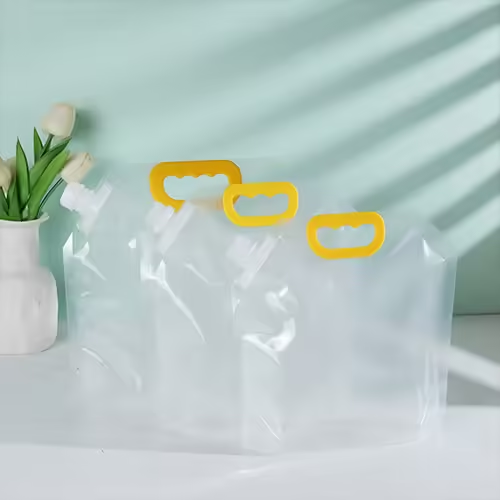
Flexible nylon packaging is made from polyamide polymers, which give it superior strength and flexibility compared to many other materials. Its molecular structure allows for excellent resistance to punctures, tears, and chemical exposure. This makes it an ideal choice for products that require reliable protection during storage and transportation.
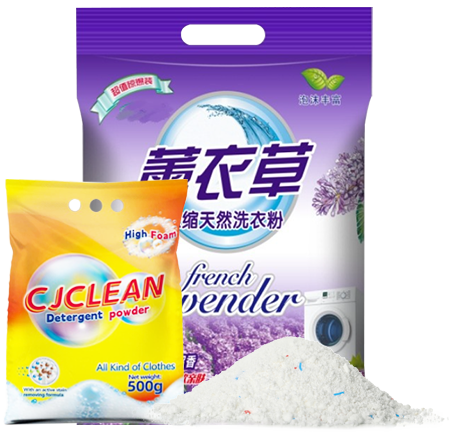
Brands often use flexible nylon packaging for food products such as coffee, nuts, and powdered goods because it provides a strong barrier against moisture, oxygen, and odor. It is also suitable for sensitive chemical products and personal care items like detergents, creams, and liquid soaps. Flexible nylon packaging supports high-quality printing, allowing brands to display vibrant graphics and product information clearly.
Qu'est-ce qu'un emballage en polyéthylène ?
Polyethylene (PE) packaging is made from polymerized ethylene and is one of the most commonly used packaging materials worldwide. It is lightweight, cost-effective, and easy to process into films, bags, and flexible pouches. PE packaging is widely used for products that do not require extreme barrier protection, such as snacks, dry goods, and household items.
While polyethylene is versatile, it does not offer the same high barrier performance as flexible nylon. Oxygen and moisture can permeate PE films more easily, which may limit shelf life for some sensitive products. However, PE is widely recyclable and provides a budget-friendly solution for brands focusing on cost efficiency.
Comparaison des performances : résistance, durabilité et propriétés de barrière
To understand which material suits your product best, it is important to compare key performance characteristics.
- Tensile Strength and Tear Resistance: Flexible nylon packaging is stronger and more puncture-resistant than polyethylene, making it ideal for heavy or sharp-edged products.
- Moisture and Oxygen Barrier: Flexible nylon offers superior barrier protection, keeping moisture, oxygen, and odor out. This is especially important for food and powdered products.
- Temperature and Chemical Resistance: Flexible nylon maintains its integrity under higher temperatures and exposure to certain chemicals, while polyethylene is more sensitive to heat and chemical degradation.
Tableau : Comparaison des performances des matériaux
| Fonctionnalité | Flexible Nylon Packaging | Polyethylene Packaging | Idéal pour |
|---|---|---|---|
| Tensile Strength | Haut | Modéré | Heavy-duty products |
| Tear Resistance | Excellent | Modéré | Sharp-edged or granular items |
| Barrière contre l'humidité | Haut | Modéré | Food, powder products |
| Barrière à oxygène | Haut | Faible | Products sensitive to oxidation |
| Coût | Plus haut | Inférieur | Budget-conscious packaging |
| Flexibility | Excellent | Bien | Shrinkable or customized shapes |
| Respect de l'environnement | Recyclable depending on facility | Widely recyclable | Sustainability-conscious brands |
This table illustrates why flexible nylon packaging is often the go-to choice for premium and sensitive products, while polyethylene remains popular for everyday items.
Conformité en matière de sécurité et de contact alimentaire
When selecting packaging for products that come into contact with food, personal care items, or household chemicals, safety is paramount. Flexible nylon packaging generally meets international safety standards and can comply with food contact regulations, ensuring that there is no migration of harmful substances into your products. According to a report by the International Food Packaging Association, polyamide films have been shown to maintain chemical stability under prolonged storage conditions.
For consumers sensitive to odors or chemicals, flexible nylon packaging is preferred because it does not impart flavors or scents to the product. Polyethylene can sometimes interact with certain oils or fragrances, making nylon a better choice for products like detergents or liquid soaps.
Impact environnemental et durabilité
Sustainability is increasingly influencing purchasing decisions. Flexible nylon packaging is recyclable, but the process depends on available recycling facilities. Polyethylene is widely recyclable and easier to process in standard recycling streams, but it has higher environmental persistence.
Brands aiming for eco-friendly solutions often look at the life cycle impact of flexible nylon, including reduced product spoilage due to superior barrier properties, which can offset the higher production energy cost. Implementing reusable and recyclable flexible nylon packaging can align with your sustainability goals and appeal to environmentally conscious consumers.
Considérations relatives aux coûts et à la fabrication
Cost is always a factor. Flexible nylon packaging is more expensive than polyethylene due to raw material costs and processing complexity. The production involves high-temperature extrusion and lamination processes that require specialized machinery. However, the higher performance often justifies the cost, especially for sensitive or premium products.
Polyethylene is simpler to manufacture, offering a cost-effective option for large-volume items that do not require high barrier properties. Understanding your product requirements, order volume, and packaging budget will help you make the best choice.
Applications et études de cas
Several industries benefit from flexible nylon packaging:
- Food Packaging: Nuts, coffee, and powdered products are often packed in nylon films due to its moisture and oxygen barrier properties.
- Soins personnels : Products like liquid soap, shampoos, and creams use flexible nylon packaging to ensure product stability and extend shelf life.
- Industrial Packaging: Components, chemicals, and other sensitive materials are protected during transport with nylon packaging.
For instance, a powdered detergent brand switched from PE to flexible nylon packaging and observed a 25% reduction in moisture-related clumping, improving customer satisfaction and reducing returns.
Avantages en matière de conception et d'image de marque
Flexible nylon packaging supports high-definition printing and full-color branding, allowing your product to stand out on shelves. Transparency options allow consumers to see the product, while matte or metallic finishes enhance premium appeal. Polyethylene offers fewer design possibilities, often limited to simple printed films, which may reduce visual impact.
Conseils pour choisir le bon matériau d'emballage
When deciding between flexible nylon and polyethylene:
- Assess your product’s sensitivity to moisture, oxygen, and chemicals.
- Consider the shelf life and storage conditions.
- Factor in sustainability and consumer expectations.
- Evaluate cost constraints and production capabilities.
- Decide if advanced design and branding are critical for market success.
Conclusion
Choosing the right packaging material is more than a cost decision—it affects product performance, brand perception, and customer satisfaction. Flexible nylon packaging offers superior barrier properties, durability, and design flexibility, making it the optimal choice for high-value or sensitive products. Polyethylene remains a practical solution for less sensitive items and budget-conscious operations. By understanding your product needs and market expectations, you can make an informed decision that balances performance, sustainability, and cost.
FAQ
Est flexible nylon packaging suitable for liquids?
Yes, it is ideal for liquids due to its excellent barrier and chemical resistance.
Can polyethylene packaging be customized for high-end branding?
C'est possible, mais cela présente davantage de limitations en termes de qualité d'impression et d'options de conception.
Which material is more eco-friendly?
Flexible nylon can be recycled but requires specialized facilities; polyethylene is widely recyclable but has lower barrier efficiency.
L'emballage souple en nylon a-t-il une incidence sur le goût ou l'odeur du produit ?
No, it is chemically stable and safe for food and personal care products.
Which packaging is better for long-distance shipping?
Flexible nylon offers better tear resistance, puncture resistance, and barrier protection, making it ideal for transportation over long distances.