Table of Contents
Introduction
When it comes to storing and selling food products, the right packaging can make a huge difference in safety, freshness, and customer experience. Food packaging bags are more than just containers—they are an essential part of food preservation, transportation, and branding.
If you are managing a food business, whether a small bakery, a snack manufacturer, or a large-scale food distributor, understanding how to choose the right packaging bag is crucial. Selecting the wrong material, size, or sealing method can lead to food spoilage, contamination, and lost sales. In this article, you will learn how to evaluate food packaging bags from a practical, user-focused perspective and make informed decisions for your business.
Why the Right Food Packaging Bag Matters

The purpose of a food packaging bag extends beyond aesthetics. It affects:
- Shelf Life: Proper packaging can prevent oxidation, moisture infiltration, and bacterial growth.
- Safety: Food-safe materials prevent contamination and chemical reactions.
- Convenience: Easy-to-use packaging improves customer experience.
- Brand Perception: Well-designed packaging communicates quality and professionalism.
Case Example: A mid-sized snack company switched from generic plastic bags to multilayer food-safe pouches. They noticed a 25% reduction in product spoilage and positive feedback from customers about freshness.
Material Options for Food Packaging Bags
Choosing the right material is critical to protect food quality:
- High-Density Polyethylene (HDPE): Affordable, durable, and resistant to moisture, suitable for dry foods.
- Polypropylene (PP): Strong, lightweight, and heat-resistant, ideal for frozen or refrigerated items.
- Foil Laminates: Excellent barrier against oxygen and light, extending shelf life for sensitive products like coffee or spices.
- Biodegradable Films: Compostable options for eco-conscious brands looking to reduce plastic waste.
Tip: Always verify that materials are FDA-approved or meet relevant food safety regulations for your region.
Design Features That Enhance Usability
Modern food packaging bags include practical design elements that improve consumer usability:
- Resealable Zippers: Keep food fresh after opening.
- Tear Notches: Allow easy opening without scissors.
- Transparent Windows: Enable consumers to see the product, increasing trust and sales.
- Stand-Up Pouches: Ideal for display and storage efficiency.
- Customizable Shapes and Sizes: Help differentiate products and optimize shelf space.
Case Example: A cereal brand introduced stand-up resealable pouches. Customer complaints about stale cereal dropped by 40%, and repeat purchases increased by 18%.
Table: Comparison of Popular Food Packaging Bag Types
| Bag Type | Best For | Key Advantages | Considerations |
|---|---|---|---|
| Stand-Up Pouches | Snacks, cereals, dried fruits | Shelf display, resealable, durable | Higher production cost |
| Three-Side Seal Bags | Single-serve snacks, spices | Easy sealing, cost-effective | Limited reusability |
| Vacuum Bags | Meats, cheese, seafood | Extends shelf life, prevents freezer burn | Requires vacuum sealing equipment |
| Foil Laminates | Coffee, chocolate, powdered foods | Excellent barrier properties | Not fully transparent |
| Biodegradable Bags | Eco-friendly snacks | Compostable, appeals to green consumers | Shorter shelf life in some cases |
This table helps you identify the packaging solution that aligns with your product type, storage conditions, and brand positioning.
Safety Considerations for Food Packaging Bags
Selecting a food packaging bag goes beyond appearance and convenience. Safety is paramount:
- Non-Toxic Materials: Avoid plasticizers or chemicals that can leach into food.
- Temperature Resistance: Ensure packaging withstands freezing or microwaving if necessary.
- Barrier Properties: Protects against moisture, oxygen, and light to maintain quality.
- Tamper Evidence: Some packaging designs offer safety seals to reassure customers.
Case Example: A spice manufacturer upgraded to tamper-evident laminated pouches, reducing customer complaints about contamination and boosting confidence in product safety.
Sustainability Trends in Food Packaging
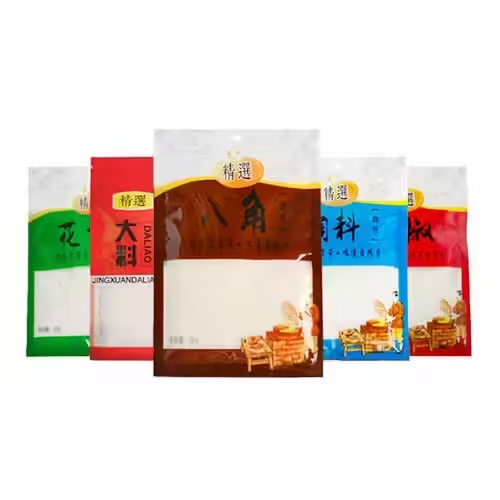
Consumers increasingly value eco-friendly solutions:
- Recyclable Films: Materials that can be reprocessed reduce environmental impact.
- Compostable Bags: Designed for organic waste disposal.
- Minimalist Packaging: Using less material without compromising food safety.
Customization and Branding Opportunities
The right food packaging bag can also act as a marketing tool:
- Custom Printing: Colors, logos, and messaging attract customers.
- Product Differentiation: Unique bag shapes or designs make your product stand out on shelves.
- Consumer Engagement: QR codes or instructions can educate or engage buyers.
Case Example: A tea company used transparent windows with custom-printed pouches to show leaf quality. This led to a 30% increase in online sales after launch.
Innovations in Food Packaging Bags
Technology and innovation continue to shape food packaging:
- Active Packaging: Bags that absorb oxygen or release preservatives for longer shelf life.
- Smart Labels: Temperature-sensitive or QR-coded labels that track freshness.
- Lightweight Laminates: Reduce shipping costs while maintaining protection.
- Multi-Compartment Bags: Ideal for multi-flavored or snack assortments.
Case Study: Enhancing Snack Shelf Life and Brand Value
A gourmet nut company faced early spoilage with traditional polyethylene bags. By switching to foil-laminated stand-up pouches with resealable zippers:
- Product shelf life increased from 2 weeks to 2 months.
- Customer satisfaction improved, as feedback mentioned fresher flavor.
- The new bag design elevated perceived brand value, allowing a slight price premium.
Table: Shelf Life Comparison
| Packaging Type | Product | Shelf Life | Consumer Satisfaction |
|---|---|---|---|
| Standard Poly Bag | Nuts | 2 weeks | Medium |
| Foil Laminated Stand-Up Pouch | Nuts | 2 months | High |
| Resealable Plastic Pouch | Nuts | 1 month | Medium-High |
Choosing the Right Supplier
Working with a reliable food packaging bag supplier ensures quality, compliance, and customization:
- Verify certifications for food safety.
- Check experience with specific bag types (laminated, biodegradable, resealable).
- Evaluate flexibility for custom printing and design.
- Ensure consistent production capacity to avoid shortages.
Conclusion
Selecting the right food packaging bag affects product quality, safety, customer satisfaction, and brand perception. From material selection to ergonomic design, barrier properties, and branding opportunities, every detail matters.
If you want to ensure your food products remain fresh, safe, and attractive to customers, consult with packaging experts today. Upgrade your packaging strategy with customized solutions that meet your business goals and customer expectations.
FAQ
Can I use stand-up pouches for liquids like sauces?
Yes, but ensure the bag is designed for liquid products with leak-proof seals.
Are biodegradable food packaging bags durable?
Many are designed to be strong for short-term use. Consider multi-layer options for longer shelf life.
How do I know which bag material is best for my product?
Consider product moisture content, sensitivity to oxygen/light, and intended shelf life.
Can I print custom branding on small-volume bags?
Yes, many suppliers offer digital printing for low-volume orders.
How can I extend the shelf life of packaged food?
Choose materials with strong barrier properties, and consider resealable or vacuum-sealed designs.