Table of Contents
Introduction
There is an industry adage in packaging: ‘The custom label is the soul of the product.’ Many brands invest considerable effort in designing their trademarks, yet frequently encounter challenges during the printing and labelling process: labels peeling off due to moisture, fading, or becoming blurred.
As a solutions manufacturer with 28 years of experience in the packaging industry, we understand that premium custom labels are not merely about image printing but also about ensuring lasting visual appeal.
Material Selection: From Paper to Synthetic Films

Custom label materials must perfectly complement container substrates.
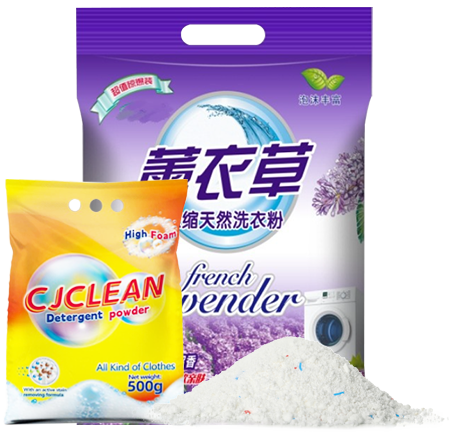
- BOPP/PE Synthetic Films: Particularly suited for daily chemical products like laundry detergents and dishwashing liquids. Offers waterproof, oil-resistant, and pressure-resistant properties; labels remain wrinkle-free and secure even when containers are repeatedly squeezed or deformed.
- PE (Polyethylene Film): An eco-friendly label material with excellent flexibility, suitable for curved surfaces with minimal edge wrinkling. PE label stock is recyclable, meeting the needs of environmentally conscious enterprises. Transparent PE offers the added advantage of a semi-translucent, matte finish, lending printed labels a soft, sophisticated visual effect.
- BOPP (Biaxially Oriented Polypropylene Film): BOPP is a commonly used label material, offering excellent printability and adhesion suitable for multiple printing processes. BOPP label stock boasts high transparency, making it ideal for packaging where product color needs to be visible. Furthermore, BOPP label stock possesses good elasticity and flexibility, making it suitable for packaging products prone to deformation.
Pearlescent Film and Clear Labels: Seeking premium texture?
Pearlescent film delivers a silky sheen, while clear labels achieve seamless adhesion, making packaging appear as if directly screen-printed.
Pearlescent film labels are typically manufactured from polypropylene (PP) resin, calcium carbonate, and pearlescent pigments via a biaxial stretching process, exhibiting the following characteristics:
- High gloss: The unique pearlescent sheen significantly enhances product visual appeal.
- Low specific gravity: With a density of approximately 0.7 (compared to 0.9 for standard polypropylene), it suits lightweight packaging applications.
- Superior mechanical properties: Combining exceptional toughness and tensile strength, it meets the demands of high-speed labelling machinery.
- Superior light-blocking properties: Pearl film boasts low light transmittance, effectively shielding against light exposure to protect internal products.
Applications of Pearl Film Labels
Food packaging: Suitable for ice cream, biscuit, and chilled beverage packaging, enhancing product aesthetics and market competitiveness.
Self-adhesive Labels: Meets labelling requirements across daily chemical, electronics, and food industries, accommodating high-speed labelling demands.
Gift Packaging: Frequently employed for gift and premium product packaging due to its strong decorative appeal.
Production Process
The production process for pearlescent film primarily comprises the following stages:
- Raw Material Compounding: Blending polypropylene resin, pearlescent masterbatch, and additives.
- Melt Extrusion: Melting the mixture through an extruder to ensure uniform dispersion of pearlescent pigments.
- Biaxial Stretching: Performing biaxial stretching at optimal temperatures to enhance the film’s mechanical properties and gloss.
- Cooling and Forming: Shaping the film using cooling rolls to produce the final pearlescent film product.
- Adhesion Secrets: Eliminating ‘Edge Curling’
Why do the labels fall off?
Label detachment often stems from unsuitable adhesive selection. We provide bespoke bonding solutions tailored to container surface energy characteristics (such as smoothness and curvature):
High-strength, durable adhesive: Suitable for frosted or low-surface-energy plastic bottles, ensuring labels adhere firmly upon initial application.
Extreme temperature resistance testing: Labels remain flat without adhesive overflow or bubbling, whether placed in humid bathrooms or refrigerated food cabinets.
Visual Craftsmanship: Elevating the “Fingertip Sensation”
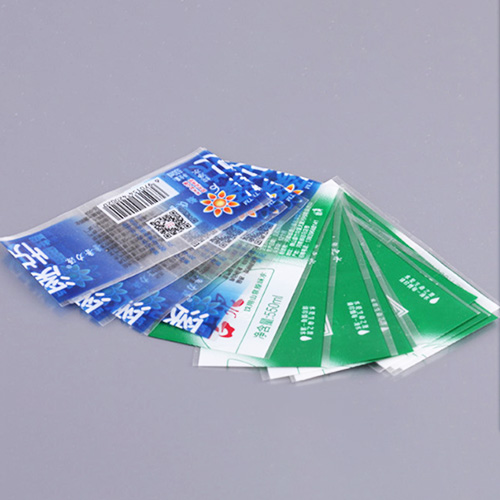
Beyond colour accuracy, we employ specialised techniques to enhance a brand’s premium appeal:
Cold/Hot Foil Stamping (Gold/Silver): Adds metallic sheen, elevating overall quality perception.
Spot UV Coating with Embossing: Creates tactile depth, allowing consumers to perceive a brand’s refinement through touch alone.
Conclusion
Custom labels serve not only as a brand’s first calling card but also as an endorsement of product quality. With our comprehensive design, printing, and die-cutting production chain, we provide end-to-end solutions from bottle manufacturing to label application.
FAQ
What custom label materials are best for daily chemical products?
BOPP/PE synthetic films offer waterproof, oil-resistant, and pressure-resistant properties, ideal for laundry detergents and dishwashing liquids.
Why do custom labels peel off, and how can it be prevented?
Labels peel due to unsuitable adhesive. High-strength durable adhesive matched to container surface energy ensures firm adhesion and prevents edge curling.
What are the benefits of pearlescent film labels?
Pearlescent film provides high gloss, low specific gravity, superior mechanical properties, and light-blocking capabilities for premium packaging applications.
Which labels work best in humid environments?
PE synthetic film labels offer excellent flexibility and moisture resistance, remaining secure even in bathrooms or refrigerated food cabinets.
How can I enhance label visual appeal?
Cold/hot foil stamping adds metallic sheen, while spot UV coating with embossing creates tactile depth for a premium brand perception.