Table of Contents
When you choose packaging bags for food, you are not just selecting a container. You are making a decision that affects food safety, shelf life, user trust, logistics efficiency, and even whether a customer buys your product again. For many food businesses, packaging is the silent salesperson. It protects, informs, and reassures your customer long before the food is opened.
Today, consumers are more informed than ever. They look closely at materials, sustainability claims, resealability, and convenience. At the same time, food producers and distributors face pressure to reduce waste, extend freshness, and adapt packaging formats for e-commerce and retail.
This guide is written to help you understand how packaging bags for food actually work in real-world use. Instead of theory, you will find practical insights, real application examples, and decision frameworks you can apply directly to your product line.
Why Packaging Bags for Food Matter More Than Ever
Food packaging has shifted from being a cost-driven decision to a value-driven one. According to data published by the Food and Agriculture Organization, a significant percentage of global food waste occurs after processing, often due to inadequate packaging protection during storage and transport. That alone explains why food businesses are paying closer attention to packaging bags for food.
You may already notice that customers associate good packaging with product quality. If a bag tears easily, leaks oil, or fails to reseal, the food inside is blamed—even if the recipe is excellent. On the other hand, when packaging feels sturdy, clean, and well-designed, customers are more forgiving and more loyal.
Another reason packaging bags for food matter today is the rise of direct-to-consumer shipping. Flexible packaging performs better than rigid containers in many shipping environments because it reduces breakage and saves space.
Common Types of Packaging Bags for Food and Their Use Cases
Not all food bags serve the same purpose. Understanding the functional differences helps you avoid over-packaging or under-protecting your product.
Three-Side Seal Bags
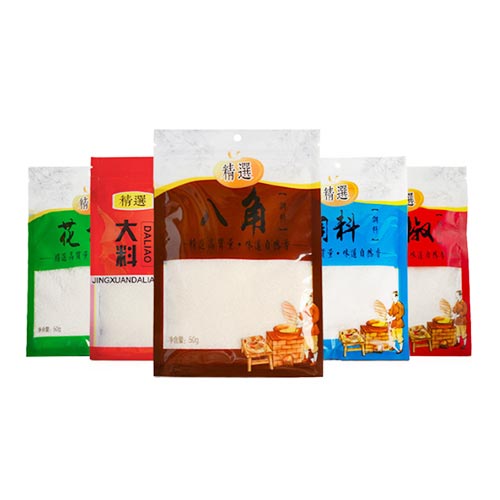
These are flat bags sealed on three edges and opened from the top. They are commonly used for powders, snacks, spices, and single-use portions. Their advantage is low material usage and efficient stacking.
Stand-Up Pouches
Stand-up pouches are popular for retail shelves because they improve visibility and branding space. They work well for dried foods, frozen products, and liquid or semi-liquid foods when combined with barrier films.
Vacuum Bags
Vacuum packaging removes air to slow oxidation and microbial growth. These packaging bags for food are widely used for meats, seafood, and ready-to-cook items. Research published by food safety institutes shows vacuum packaging can significantly extend shelf life when combined with proper cold storage.
Resealable Zipper Bags
Resealable options support repeated use and reduce food waste in households. Consumers often prefer them for snacks, grains, and pet food.
Material Selection: What Actually Keeps Food Safe
When you evaluate packaging bags for food, material choice is not about preference—it is about compatibility.
Most food bags use multi-layer structures. Each layer serves a purpose: strength, barrier protection, sealing, or printability.
Common materials include polyethylene for flexibility and moisture resistance, polypropylene for clarity and stiffness, and polyester films for strength and temperature resistance. Barrier layers such as EVOH or aluminum films are added when oxygen or aroma protection is required.
According to material safety guidelines published by regulatory authorities and summarized by organizations like the European Food Safety Authority, food-contact materials must prevent harmful substance migration. This is why reputable packaging suppliers focus heavily on raw material sourcing and process control.
If you want deeper technical background on food-safe materials, you can reference this overview on food contact packaging principles:
Food contact materials overview
Packaging Bags for Food and Shelf Life: What You Should Know

Shelf life is not only about ingredients. Packaging plays a major role in controlling exposure to oxygen, moisture, and light.
For example, dry foods such as flour or powdered beverages mainly need moisture barriers. Oily snacks require oxygen barriers to prevent rancidity. Light-sensitive products benefit from opaque or metallized layers.
A study published in the Journal of Food Processing and Preservation highlights that appropriate barrier packaging can extend shelf life by several weeks or months without additives, depending on the product category.
This is why testing matters. Before mass production, many food businesses run shelf-life simulations to observe how packaging bags for food perform under different storage conditions.
Sustainability Concerns Consumers Actually Care About
Sustainability is no longer optional, but consumers are also becoming skeptical of vague claims. When it comes to packaging bags for food, users tend to focus on three practical factors:
- Can the bag be recycled or reused?
- Does it reduce food waste?
- Is the packaging lightweight compared to alternatives?
Flexible packaging generally uses less material than rigid packaging, which reduces transportation emissions. According to data summarized by flexible packaging associations, flexible formats can lower carbon footprint per unit when designed correctly.
You can explore sustainability discussions around flexible food packaging here: Flexible packaging sustainability insights
Real-World Case: Choosing the Wrong Bag and Paying the Price
Consider a mid-scale food producer selling powdered seasoning blends. Initially, they selected low-cost single-layer plastic bags. Within months, customer complaints increased due to clumping and flavor loss.
After switching to multi-layer packaging bags for food with moisture and aroma barriers, complaints dropped dramatically, and repeat orders increased. The cost per unit rose slightly, but the overall return rate and brand perception improved enough to offset the expense.
This case highlights a common lesson: packaging failures often cost more than packaging upgrades.
Comparison Table: Choosing the Right Food Packaging Bag
| Food Type | Key Risk | Recommended Bag Type | Key Material Feature |
|---|---|---|---|
| Powdered foods | Moisture | Three-side seal bag | Moisture barrier |
| Snacks | Oxidation | Stand-up pouch | Oxygen barrier |
| Frozen food | Freezer damage | Thick PE pouch | Low-temperature resistance |
| Liquid sauces | Leakage | Spout pouch | Strong seals |
| Meat & seafood | Bacterial growth | Vacuum bag | Air removal |
This table gives you a quick reference when matching packaging bags for food with specific product needs.
How Packaging Affects Consumer Trust and Brand Perception
From a user’s perspective, packaging is often judged within seconds. Clean seals, consistent thickness, and easy opening all influence perceived quality.
Research published by packaging design institutes shows that consumers associate well-engineered packaging with hygiene and professionalism. Poor packaging, even when the food itself is safe, creates doubt.
If your goal is long-term customer retention, packaging bags for food should be treated as part of your product—not an afterthought.
E-Commerce and Shipping Considerations
Online food sales are growing, and shipping introduces new challenges. Packaging bags for food used in e-commerce must withstand compression, vibration, and temperature changes.
Flexible bags reduce shipping weight and minimize breakage compared to rigid containers. Many sellers now use secondary protective mailers, but the primary food bag still plays a crucial role in preventing leaks and contamination.
For logistics insights related to food packaging and transport safety, this resource provides useful background: Food packaging and transport safety
Common Mistakes to Avoid When Selecting Packaging Bags for Food
One common mistake is choosing packaging based only on appearance. Another is ignoring how consumers actually use the product after purchase.
You should also avoid over-engineering. Excessive layers and unnecessary features increase cost and environmental impact without adding real value.
Finally, failing to test packaging under real storage and transport conditions often leads to expensive recalls or reputation damage.
How to Evaluate a Packaging Supplier Effectively
From a user-focused standpoint, consistency matters more than promises. Reliable packaging suppliers should offer material traceability, quality inspections, and customization support.
You should ask about food-contact compliance, production tolerances, and batch consistency. These factors directly affect how packaging bags for food perform over time.
Final Thoughts
Choosing packaging bags for food is ultimately about balancing safety, usability, and consumer expectations. When packaging aligns with how people actually store, handle, and consume food, it becomes a powerful advantage instead of a hidden risk.
If you approach packaging decisions with the same care you give to ingredients and processing, you create products that feel reliable, professional, and worth returning to.
FAQ
Are packaging bags for food safe for long-term storage?
Yes, when made from food-grade materials and matched correctly to the food type, they can safely support long-term storage.
How do I know which material is right for my food product?
You should evaluate moisture sensitivity, fat content, and shelf-life goals, then match them with barrier requirements.
Do flexible food packaging bags reduce waste?
In many cases, yes. They often extend shelf life and allow portion control, which helps reduce food waste.
Can food packaging bags be customized?
Yes. Size, thickness, structure, and printing can all be adjusted to fit specific product and market needs.
Are resealable bags worth the extra cost?
For products consumed over time, resealable features often improve user satisfaction and repeat purchases.