جدول المحتويات
عند التفكير في التغليف، يسهل التركيز على الزجاجات أو المواد أو الملصقات. ولكن في منتجات العناية الشخصية والمنزلية اليومية، غالباً ما يحدد عنصر صغير ما إذا كان المستهلكون سيظلون مخلصين للعلامة التجارية أم سيغيرونها: أغطية الزجاجات القابلة للطي.
من الشامبو وغسول الجسم إلى سائل غسل الأطباق ومعقمات اليدين، تُؤثر أغطية الزجاجات القلابة بشكلٍ غير مباشر على تجربة المستخدم. فهي تُؤثر على النظافة، وسهولة الاستخدام، وهدر المنتج، وحتى على مدى شعورك بالأمان عند استخدامه. إذا كنت تُطور أو تُورّد عبوات لمنتجات سائلة أو شبه سائلة، فإن فهم كيفية عمل أغطية الزجاجات القلابة - وكيفية اختيار التصميم المناسب - يُمكن أن يُؤثر بشكلٍ مباشر على نجاح منتجك.
يُقدّم هذا الدليل شرحًا وافيًا لتصميم أغطية الزجاجات الحديثة القابلة للطي، والمواد المستخدمة فيها، وعوامل الأداء، واتجاهات الاستدامة، وتطبيقاتها العملية. في نهاية الدليل، ستكون لديك إطار عمل عملي يمكنك تطبيقه فورًا على قراراتك المتعلقة بالتغليف.
لماذا أغطية زجاجات قابلة للطي الأمر أكثر أهمية مما تعتقد
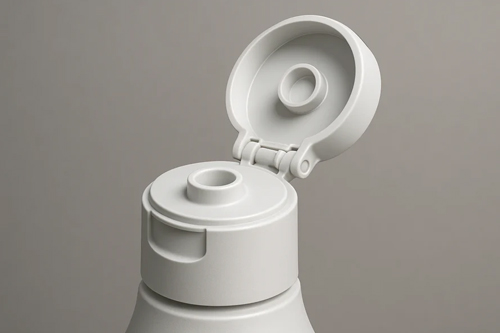
صُممت أغطية الزجاجات القلابة لتسهيل فتحها بيد واحدة، والتحكم في كمية السائل، وإعادة إغلاقها بإحكام. قد تبدو هذه الميزات بسيطة، لكنها تحل العديد من المشاكل اليومية للمستهلكين.
أولاً، سهولة الاستخدام. يتيح لك غطاء الزجاجة القابل للطي فتح المنتج واستخدامه وإغلاقه بيد واحدة. وهذا مهم بشكل خاص في البيئات الرطبة كالحمامات والمطابخ، حيث غالباً ما تكون أيدي المستخدمين ضعيفة أو زلقة.
ثانيًا، النظافة. نظرًا لأن أغطية الزجاجات القابلة للطي تبقى متصلة بالزجاجة، فإنها تقلل من ملامسة الأسطح والتعرض للملوثات. وفقًا لإرشادات النظافة الخاصة بالمناولة والتعبئة والتغليف المشار إليها من قبل منظمة الصحة العالمية, إن تقليل التلامس المتكرر مع أسطح التوزيع يقلل من مخاطر التلوث للمنتجات السائلة.
ثالثًا، التحكم في المنتج. يحدد حجم فتحة التوزيع وقناة التدفق الداخلية كمية المنتج الخارجة. تتسبب الأغطية المصممة بشكل سيئ في زيادة كمية المنتج الخارجة، مما يؤدي إلى الهدر وإحباط المستهلك.
باختصار، أغطية الزجاجات القابلة للطي ليست مجرد أغطية إغلاق - إنها واجهات وظيفية بين منتجك والمستخدم.
منتجات شائعة تعتمد على أغطية الزجاجات القابلة للطي
تصادف أغطية الزجاجات ذات الفتحة القلابة عشرات المرات يوميًا، غالبًا دون أن تدرك ذلك. وهي تُستخدم على نطاق واسع في:
- زجاجات الشامبو والبلسم
- عبوات جل الاستحمام وغسول الجسم
- زجاجات سائل غسيل الأطباق
- عبوات صابون اليدين ومعقم اليدين
- منتجات التنظيف المنزلية
- كريمات ولوشنات العناية الشخصية
في كل حالة، يجب أن يتناسب غطاء العبوة مع لزوجة المنتج وبيئة الاستخدام وتوقعات المستخدم. قد يتلف غطاء العبوة المصمم للشامبو عند استخدامه مع منظف كثيف، بينما يجب أن يقاوم غطاء عبوة منتج التنظيف التآكل الكيميائي.
كيف تُحسّن أغطية الزجاجات القابلة للطي تجربة المستخدم
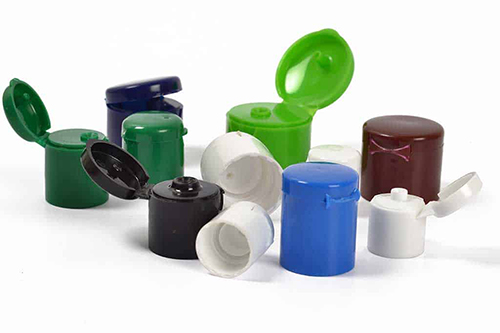
عندما يكون التغليف سهل الاستخدام، لا يفكر المستخدمون فيه، بل يستخدمونه ببساطة. وتساهم أغطية الزجاجات القابلة للطي في هذه التجربة السلسة بعدة طرق.
يضمن تصميم المفصلة المريح فتح الغطاء بسلاسة دون ارتداد مفاجئ. وتُرشد مناطق الضغط بالإبهام المستخدمين بشكل غريزي إلى نقطة الفتح الصحيحة. كما تُحسّن الأسطح المانعة للانزلاق التحكم عند بلل اليدين.
أظهرت دراسات لخصتها مجلة Packaging Europe أن سهولة فتح العبوة واستخدامها من أهم العوامل المؤثرة على قرارات الشراء المتكرر لمنتجات العناية الشخصية. ويُعزز غطاء الزجاجة ذو التصميم الجيد والقابل للطي ثقة المستهلك بالعلامة التجارية في كل مرة يُستخدم فيها.
المواد المستخدمة في أغطية الزجاجات القلابة وأهميتها
يؤثر اختيار المواد بشكل مباشر على المتانة والسلامة وإمكانية إعادة التدوير.
تُصنع معظم أغطية الزجاجات ذات الفتحة العلوية من البولي بروبيلين (PP) أو البولي إيثيلين (PE). وتُستخدم هذه المواد على نطاق واسع لأنها خفيفة الوزن، ومقاومة للمواد الكيميائية، ومناسبة للاستخدامات الغذائية ومنتجات العناية الشخصية.
يتميز البولي بروبيلين بمقاومة ممتازة لإجهاد المفصلات، مما يجعله مثالياً للأغطية التي تُفتح وتُغلق مئات المرات. أما البولي إيثيلين فيوفر المرونة ومقاومة الصدمات، وهو مفيد للأغطية السميكة أو التي تتطلب ضغط فتح أقل.
وفقًا لبيانات سلامة المواد التي لخصها بلاستيكس يوروب, يُعتبر كل من البولي بروبيلين والبولي إيثيلين آمنين للاستخدام المتكرر مع الجلد ومتوافقين مع مجموعة واسعة من التركيبات عند معالجتهما بشكل صحيح.
التحكم في التوزيع وتوافق المنتج

لا تعمل جميع أغطية الزجاجات القابلة للطي بنفس الطريقة. فالبنية الداخلية للغطاء تحدد معدل التدفق واتجاهه ونظافته.
تُعدّ الأغطية ذات الفتحات الضيقة الأنسب للسوائل الخفيفة كصابون اليدين، بينما تُناسب الفتحات الأوسع المنتجات اللزجة كالشامبو أو المنظفات. وتتضمن بعض التصاميم فوهات توجيهية لمنع التقطير وتراكم المنتج حول الفتحة.
إن اختيار هيكل التوزيع الخاطئ قد يؤدي إلى الانسداد أو التسرب أو عدم اتساق الإنتاج - وكل ذلك يؤثر سلبًا على تصور المستهلك.
طاولة: أنواع أغطية الزجاجات الشائعة ذات الغطاء القلاب وتطبيقاتها
| نوع تصميم الغطاء | الفتحة النموذجية | أنواع المنتجات المناسبة | ميزة المستخدم الرئيسي |
|---|---|---|---|
| غطاء قلاب قياسي | مستديرة صغيرة | شامبو، صابون لليدين | صرف يومي مُتحكم به |
| غطاء قلاب واسع الفتحة | كبير مستدير | بلسم، منظف | تدفق أسرع، ضغط أقل |
| صنبور موجه | بيضاوي أو زاوي | سوائل التنظيف | انخفاض التقطير |
| غطاء قلاب مانع للتسرب | صمام محكم الإغلاق | منتجات بحجم مناسب للسفر | منع الانسكاب |
| غطاء قلاب ناعم الملمس | متوسط الحجم مستدير | مستحضرات العناية الشخصية | استخدام مريح بيد واحدة |
يمكن أن يساعدك هذا الجدول في مطابقة تصميم الغطاء مع سيناريوهات الاستخدام الحقيقية بدلاً من الاختيار بناءً على المظهر فقط.
اتجاهات الاستدامة في أغطية الزجاجات القابلة للطي
لم يعد الاستدامة خياراً. يتوقع المستهلكون بشكل متزايد أن تتوافق العبوات مع المسؤولية البيئية.
تتطور أغطية الزجاجات القابلة للطي لتلبية هذا الطلب. تقلل التصاميم خفيفة الوزن من استهلاك المواد. كما تُحسّن الأغطية المصنوعة من مادة واحدة من إمكانية إعادة التدوير عن طريق تجنب استخدام أنواع البلاستيك المختلطة. ويقدم بعض المصنّعين الآن قبعات مصممة ليبقى ملتصقاً بالزجاجة، مما يساعد على منع تراكم النفايات البلاستيكية السائبة.
تتوافق المبادئ الكامنة وراء الأغطية المرفقة مع مبادرات الحد من نفايات التغليف التي ناقشها... مؤسسة إيلين ماك آرثر, والتي تروج لحلول التغليف الخاصة بالاقتصاد الدائري.
حالة استخدام واقعية: تحسين رضا المستهلك من خلال إعادة تصميم الغطاء
لنفترض منتج تنظيف منزلي معبأ في زجاجة صلبة بغطاء بسيط يُغلق بالضغط. اشتكى المستخدمون من انسكاب المنتج وصعوبة استخدامه. من خلال استبدال الغطاء بغطاء قلاب مزود بفوهة قابلة للتوجيه ومفصل مانع للتسرب، تمكنت العلامة التجارية من تقليل شكاوى العملاء وزيادة عمليات الشراء المتكررة.
لم تتغير تركيبة المنتج. ولم تتغير الزجاجة. فقط الغطاء هو الذي تغير.
يوضح هذا النوع من التحسينات كيف يمكن لأغطية الزجاجات القابلة للطي أن تقدم قيمة ملموسة دون تغيير الميزات الأساسية للمنتج.
خيارات التخصيص التي تهم المستهلكين
لا يقتصر التخصيص على العلامة التجارية فحسب، بل يتعلق أيضًا بسهولة الاستخدام.
يمكنك تخصيص غطاء الزجاجة القابل للطي عن طريق تعديل قوة المفصلة، وزاوية الفتح، وارتفاع الغطاء، أو ملمس السطح. يساعد تطابق الألوان على التوافق مع هوية العلامة التجارية، بينما تؤثر اللمسات النهائية غير اللامعة أو اللامعة على الجودة المتصورة.
بالنسبة للمستهلكين، تُترجم هذه التفاصيل إلى سهولة الاستخدام وموثوقية مُدركة. أما بالنسبة لك، فهي تُوفر لك ميزة تنافسية في سوق مزدحمة.
معايير اختبار الجودة والأداء
تخضع أغطية الزجاجات القابلة للطي الموثوقة لاختبارات أداء متعددة، بما في ذلك اختبار دورة الفتح، واختبار مقاومة التسرب، وتقييمات التوافق الكيميائي.
إرشادات أداء التغليف التي حددتها الرابطة الدولية للنقل الآمن التأكيد على سلامة الإغلاق كعامل رئيسي في منع التسربات أثناء النقل والتخزين.
عند اختيار غطاء زجاجة قابل للطي، فإن ثبات الأداء لا يقل أهمية عن جماليات التصميم.
كيفية اختيار أغطية الزجاجات القلابة المناسبة لمنتجاتك

عند تقييم غطاء الزجاجة القابل للطي، اسأل نفسك:
- هل يتناسب غطاء العبوة مع لزوجة المنتج؟
- هل من المريح فتحه بيد واحدة؟
- هل سيتحمل الاستخدام المتكرر؟
- هل يتوافق ذلك مع أهداف إعادة التدوير؟
- هل يُحسّن ذلك تجربة المستخدم، لا يُعقّدها؟
إن الإجابة على هذه الأسئلة تساعدك على تجنب عمليات إعادة التصميم المكلفة لاحقاً.
ابتكارات مستقبلية في أغطية الزجاجات القابلة للطي
يكمن مستقبل أغطية الزجاجات القابلة للطي في تصميم أكثر ذكاءً ومسؤولية. وتشمل الاتجاهات الناشئة استخدام مفصلات بلاستيكية أقل، وأنظمة تحكم محسّنة في التدفق، وتصاميم مُحسّنة لخطوط التعبئة الآلية.
مع تطور تكنولوجيا التعبئة والتغليف، ستستمر الأغطية في لعب دور محوري في تحقيق التوازن بين الراحة والسلامة والاستدامة.
لماذا تستحق أغطية الزجاجات القابلة للطي مزيدًا من الاهتمام؟
قد تبدو أغطية الزجاجات القابلة للطي صغيرة، لكن تأثيرها على سهولة الاستخدام والنظافة ورضا العملاء كبير. فعند اختيارها بعناية، تُحسّن هذه الأغطية التفاعل اليومي مع المنتج وتعزز ثقة المستهلك على المدى الطويل.
إذا كنت تُصمّم عبوات لمنتجات الاستخدام اليومي، فإنّ تخصيص وقت لفهم غطاء الزجاجة القابل للطي ليس خيارًا، بل هو أمرٌ ضروري. فالتصميم المدروس للغطاء يُمكن أن يُميّز منتجك بطريقةٍ يلاحظها المستهلكون ويتذكرونها.
التعليمات
ما هي المنتجات الأنسب لـ أغطية زجاجات قابلة للطي?
تُعد أغطية الزجاجات ذات الغطاء القابل للطي هي الأنسب للمنتجات السائلة وشبه السائلة التي تُستخدم بشكل متكرر، مثل الشامبو والصابون ومحاليل التنظيف.
هل أغطية الزجاجات القابلة للطي آمنة للاستخدام المتكرر مع الجلد؟
نعم، عندما يتم تصنيعها من مواد مناسبة مثل البولي بروبيلين أو البولي إيثيلين وفقًا لمعايير السلامة.
هل تتسرب أغطية الزجاجات القابلة للطي أثناء النقل؟
تؤدي الأغطية المصممة بشكل صحيح والمزودة بمفصلات آمنة وميزات إحكام جيدة أداءً جيدًا أثناء النقل عند استخدامها مع الزجاجات المتوافقة.
هل يمكن إعادة تدوير غطاء الزجاجة القابل للطي؟
العديد من أغطية الزجاجات القابلة للطي قابلة لإعادة التدوير، وخاصة التصاميم المصنوعة من مادة واحدة، وذلك حسب أنظمة إعادة التدوير المحلية.
كم يدوم غطاء الزجاجة القابل للطي في الاستخدام اليومي؟
صُممت الأغطية عالية الجودة لتحمل مئات دورات الفتح والإغلاق دون أن تتعطل.